|
|
#非洲
中文导读
广告
**关于我们**
关于我们
道德准则
条款与条件
欧盟/欧洲经济区 (EU/EEA) 监管通知
隐私政策
Cookie 政策
Cookie 偏好设置
无障碍声明
网站地图
加入我们
**联系我们
原文原文 / Original Textplay Live Sign upShow navigation menuNavigation menuNewsShow more news sectionsAfricaAsiaUS & CanadaLatin AmericaEuropeAsia PacificMiddle EastExplainedSportOpinionVideoMoreShow more sectionsOriginalsFeaturesEconomyHuman RightsClimate CrisisInvestigationsInteractivesIn PicturesScience & TechnologyPodcastsTravelSponsored Contentplay Live Click here to searchsearchSign upNavigation menucaret-leftUS-Israel war on IranStrait of HormuzDid Iran capture a US submarine?Why have strikes resumed?Al Jazeera
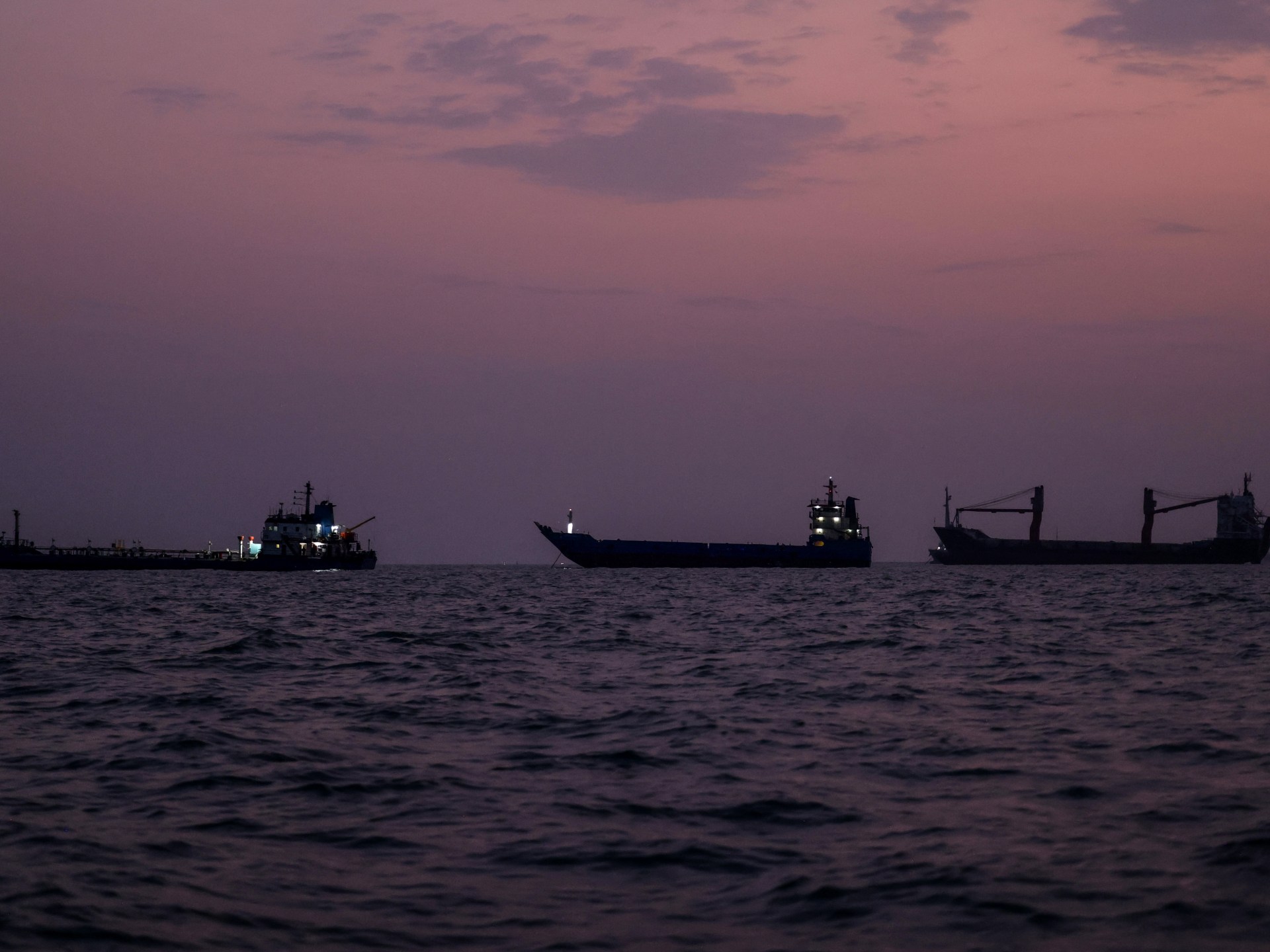
xwhatsapp-strokecopylinkgoogleAdd Al Jazeera on GoogleinfoVessels transit the Strait of Hormuz off the coast of the port city of Bandar Abbas in southern Iran on September 5, 2026 [File: Atta Kenare/AFP]By Al Jazeera StaffPublished On 12 Oct 202612 Oct 2026As the United States maintains a naval blockade of Iran’s ports and imposes more sanctions on its oil exports, Tehran is confronting another problem: billions of dollars in revenue from previous oil sales that it says have gone missing.
A spokesperson for Iran’s judiciary said in September that a network of oil intermediaries known as “trustees” owed the Iranian government between 10 billion euros ($11bn) and 11 billion euros ($12bn). That figure was equivalent to half of the total oil revenue projected in Iran’s government budget for the current fiscal year.
US officials, including Treasury Secretary Scott Bessent, have tied Iran’s struggles to access oil revenues as evidence that its economic pressure campaign is having an effect. In August, Bessent said that “Iran’s shadow banking system was buckling” under pressure from the US campaign against the country, which has been ramped up as Washington seeks a way to force Tehran to capitulate in the war between the two countries, launched by the US and Israel in late February.
So who are the oil intermediaries, why does Iran depend on them, and what has happened to the billions of dollars they owe? Let’s take a closer look.
The debt, and the crisis it has created for the Iranian government, both stem from an oil-sales arrangement Tehran adopted in 2012 in response to US sanctions targeting Iranian oil exports.
American and European sanctions targeting Iranian oil sales and revenue collection began in 2012. The stated rationale behind both sets of measures was that revenue from oil sales helped finance Iran’s nuclear programme and that restricting Iranian oil exports could prevent the programme from advancing.
In response, the Iranian government devised a way to circumvent international sanctions on its oil sales. Unable to sell oil through the Oil Ministry and receive the proceeds through the Central Bank, it began selling oil to domestic buyers or using it to settle outstanding obligations to institutions and organisations owed money by the state.
本文为英文资讯,中文内容由机器翻译生成,仅供参考。详情请阅读文末原文。
—— 资讯转载说明 ——
本文由非洲论坛根据公开信息整理,供中国读者查阅,不代表本站立场。
来源:Al Jazeera Africa (https://www.aljazeera.com/africa/)
原文链接:https://www.aljazeera.com/news/2026/10/12/why-do-irans-oil-intermediaries-owe-the-government-billions?traffic_source=rss
转载请遵守原发布方版权与引用规定。 |
|


 发表于 2026-9-29 05:37:05