|
|
#西非 #非洲
中文导读
在WhatsApp | LinkedIn上关注我们,获取最新头条新闻
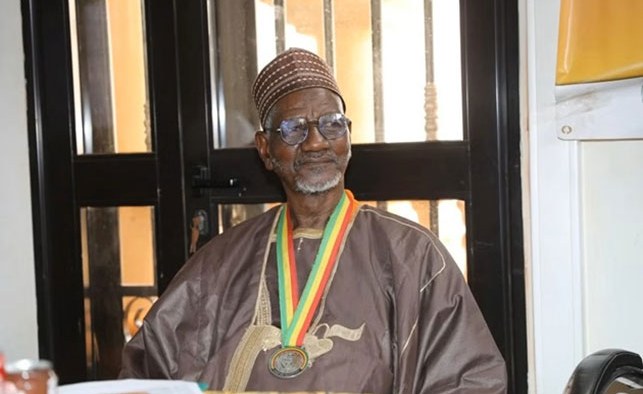
原文原文 / Original TextUnited Nations — After years of defending FGM as a cultural practice, Sidi Haidara came to a realization: No tradition should come at the expense of a girl's health, rights, or future.
In Mali, an estimated nine out of ten women and girls have undergone female genital mutilation (FGM). And for years, Sidi Haidara, a father and recognized leader in his community, believed the practice was simply part of life.
Like many people in his community in central Mali, he saw it as a tradition passed down through generations - one that should be preserved.
Today, he walks from village to village with a very different message: No tradition should come at the expense of a girl's health, rights, or future.
Follow us on WhatsApp | LinkedIn for the latest headlines
His story goes beyond one man's personal transformation. Across parts of West and Central Africa, FGM remains deeply rooted - with Mali having one of the highest rates in the region and no laws that specifically criminalize the practice. Even recently, some men in Mali have launched an all-male pro-FGM campaign on the grounds of protecting tradition.
In places where social norms are deeply entrenched, change often begins with trusted voices from within the community - voices like Haidara's.
After spending years defending female genital mutilation, Sidi Haidara now leads community dialogues in Mopti, Mali, encouraging families to protect girls' rights and abandon the practice. Credit: UN Women/Dieneba Deme
本文为英文资讯,中文内容由机器翻译生成,仅供参考。详情请阅读文末原文。
—— 资讯转载说明 ——
本文由非洲论坛根据公开信息整理,供中国读者查阅,不代表本站立场。
来源:AllAfrica (https://allafrica.com/)
原文链接:https://allafrica.com/stories/202609160173.html
转载请遵守原发布方版权与引用规定。 |
|


 发表于 2026-9-4 02:41:14