|
|
#西非 #非洲
马里构建了一个具备规模化生产、轧棉和出口能力的棉花产业。Mossadeck Bally认为,这一成功现在必须支撑一项更高要求的雄心:保留更多纤维,从纺纱做起,并为长远发展融资。\n\n在马里,棉花无处不在,唯独没有出现在其价值倍增的地方。它养活了四00万至500万人,并支撑着运输商、银行、保险公司和燃油经销商。多年来,该国一直位居非洲主要生产国之列。然而,根据Mossadeck Bally的说法,其生产的纤维近98%仍然在未经过马里纺织厂加工的情况下运往国外。\n\n乍一看,这似乎是一个工业失败的故事。Bally给出了一个更有用也更令人不安的解读。这个产业并没有失败。它完成了为其设计的使命:生产棉纤维、轧棉并将其出口。问题在于,马里现在要求这一架构在尚未建立新使命所需生态系统的情况下,去完成一项新的使命。\n\n“我们成功地让马里成为非洲领先的棉纤维生产国之一。现在我们需要将马里视作一个纺织工业国的愿景。” —— Mossadeck Bally\n\n一场农业的成功与一条未完成的价值链\n\nBally带着在西非投资近四十年的企业家视角发表了看法。他的诊断从历史开始。马里的棉花产业围绕着农民支持和纤维出口而组织。独立后,这一方向得到了巩固并取得了巨大成功。棉花成为该国最广泛的经济溢出效应来源之一。\n\n但生产纤维并不会自动带来纱线、面料和成衣。COMATEX、Fittina和ITEMA的经历表明,孤立的工厂是远远不够的。在棉包与成品衬衫之间,横亘着可靠且价格具有竞争力的电力、道路、技术技能、市场、担保,以及最重要的是,期限与工业资产寿命相匹配的融资。\n\nBally并不是建议马里一夜之间建立一个综合产业,并试图在各个阶段与亚洲竞争。对于一个距离某些港口约1200公里的内陆国家而言,步骤的先后至关重要。他的首要任务是纺纱:将纤维转化为纱线,哪怕这些纱线最初必须出口。
中文导读
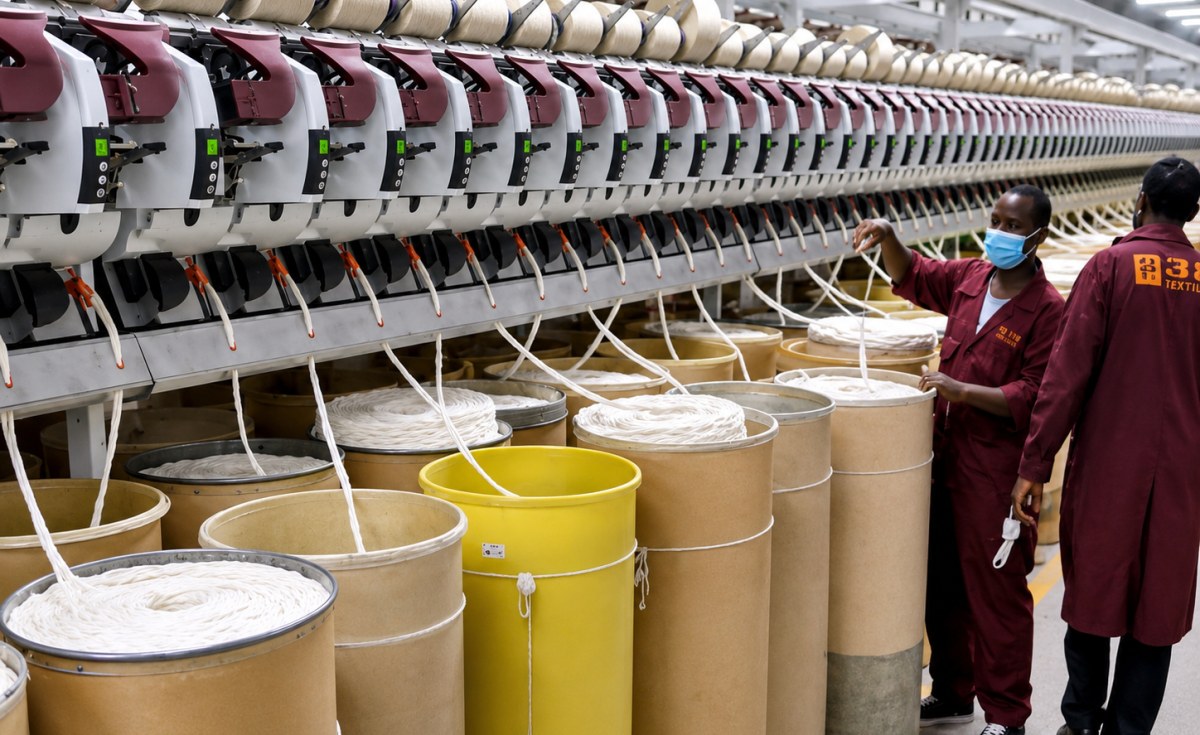
这背后的逻辑是工业和物流层面的。棉纤维体积庞大且易燃。纱线是一种价值更高、更易于运输的产品,在第二阶段能够吸引纺织制造商。一旦纺纱产能建成,Mali(马里)就可以逐步发展织布,进而发展服装生产。
原文原文 / Original TextMali built a cotton sector capable of producing, ginning and exporting at scale. Mossadeck Bally argues that this success must now support a more demanding ambition: retain more fibre, begin with spinning and finance industry for the long term.
In Mali, cotton is everywhere except where its value multiplies. It supports between four and five million people and sustains transporters, banks, insurers and fuel distributors. The country has ranked among Africa’s leading producers for years. Yet, according to Mossadeck Bally, nearly 98 per cent of the fibre it produces still leaves the country without passing through a Malian spinning mill.
At first glance, this appears to be a story of industrial failure. Bally offers a more useful and more unsettling reading. The sector did not fail. It performed the mission for which it was designed: produce cotton fibre, gin it and export it. The problem is that Mali is now asking that architecture to accomplish a new mission without having built the ecosystem the new mission requires.
“We succeeded in making Mali one of Africa’s leading producers of cotton fibre. Now we need a vision of Mali as an industrial textile country.” — Mossadeck Bally
An agricultural success and an unfinished value chain
Bally speaks with the perspective of an entrepreneur who has invested across West Africa for nearly four decades. His diagnosis begins with history. Mali’s cotton sector was organised around farmer support and fibre exports. After independence, that orientation was consolidated with considerable success. Cotton became one of the country’s broadest sources of economic spillovers.
But producing fibre does not automatically lead to yarn, fabric and garments. The experiences of COMATEX, Fittina and ITEMA show why an isolated factory is not enough. Between a bale of cotton and a finished shirt stand reliable and competitively priced electricity, roads, technical skills, markets, guarantees and, above all, financing whose duration matches the life of the industrial asset.
Bally is not proposing that Mali build an integrated industry overnight and attempt to compete with Asia at every stage. For a landlocked country located roughly 1,200 kilometres from some ports, sequencing matters. His first priority is spinning: convert fibre into yarn, even if the yarn must initially be exported.
本文为英文资讯,中文内容由机器翻译生成,仅供参考。详情请阅读文末原文。
—— 资讯转载说明 ——
本文由非洲论坛根据公开信息整理,供中国读者查阅,不代表本站立场。
来源:AllAfrica (https://allafrica.com/)
原文链接:https://allafrica.com/stories/202609140679.html
转载请遵守原发布方版权与引用规定。 |
|


 发表于 2026-9-1 16:35:56