|
|
#非洲
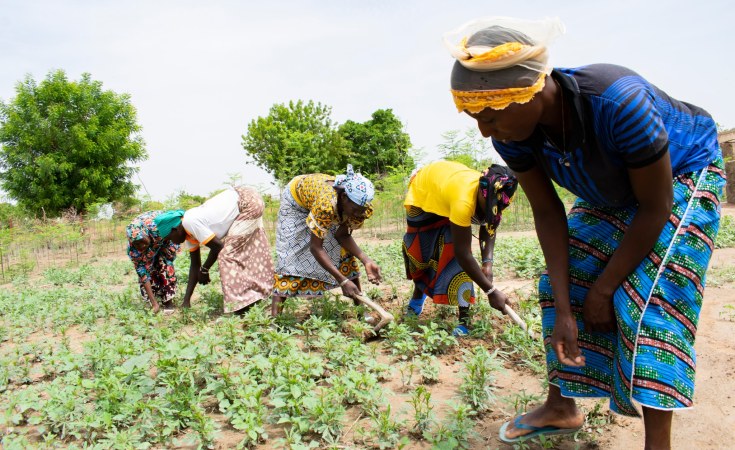
内罗毕 —— 2026年8月31日在非洲绿色革命联盟(AGRA)成立20周年庆典上的主旨演讲\n\n非洲能够将农业从一个低生产率、作为最后无奈之举的就业部门,转变为增长引擎。实现这一目标靠的不是扩大耕地面积,而是通过缩小现有土地上巨大的单产差距,留住目前流失到海外或在收获后腐烂的价值,建立将食品系统视为一个相互关联的整体的国家能力,并使该行业成为技能娴熟的年轻人向往的聚集地,而不是逃离的出口。\n\n起点是清醒的。农业仍占非洲GDP的17%左右(撒哈拉以南非洲约为18%),吸纳了庞大的劳动力,并且依然是非洲青年最大的雇主。全球谷物平均单产约为每公顷4.2吨,非洲则徘徊在1.7吨左右。撒哈拉以南非洲大部分地区的雨养玉米产量仅达到其水分限制潜力的15%至27%。化肥使用量约为每公顷23公斤,而全球平均水平远超120公斤。\n\n农业约占非洲GDP的17%,吸纳了庞大的劳动力,并且依然是非洲青年最大的雇主。\n\n10%的整体GDP增长率非常惊人,在多数国家仅靠初级农业是无法实现的。切实可行且必不可少的是,实现持续十年的6%至8%的农业GDP增长,并结合农产品加工、物流和投入品产业来放大这一效应。在农业依赖型经济体(埃塞俄比亚、尼日利亚、肯尼亚、坦桑尼亚、加纳以及萨赫勒大部分地区),这种组合能够支撑处于高个位数的整体增长,并在执行得当的情况下……\n\n以下是非洲现在必须采取的四个具体方向:\n\n1. 以更少土地产出高产种子(生产率优先,土地居后)\n\n战略是集约化,而非粗放扩张。非洲拥有全球大部分剩余的未开垦可耕地;将其作为增长路径会破坏森林、增加冲突风险,且依然无法改变低产现状。必须缩小现有田地的单产差距。
中文导读
内罗毕 (Nairobi) — 2026年8月31日,在非洲绿色革命联盟 (AGRA) 成立20周年庆典上的主旨演讲
非洲 (Africa) 可以将农业从一个生产力低下、作为兜底就业的部门,转变为经济增长的引擎。但这不能通过扩大耕地面积来实现。它可以通过弥合现有土地上巨大的产量差距,截留目前流失海外或在收获后腐烂的价值,建设将粮食系统视为一个相互关联的整体问题的国家能力,并使该部门成为技术熟练的年轻人的理想
在更少耕地面积上实现高产(生产力优先,土地次之)
种子若要成功生长,必须与土壤和肥料协同作用,否则将面临失败。2024年非洲肥料与土壤健康峰会(2024 Africa Fertilizer and Soil Health Summit)设定的到2034年每公顷54公斤的目标,比此前未达成的阿布贾(Abuja)每公顷50公斤的目标更为现实——前提是该目标具有地域针对性,而非一概而论。应推广土壤测绘、微量施肥和混合肥料。精准施肥在试点项目中已实现20%至80%的产量增长,以及3至12的效益成本比;而在贫瘠土壤上撒播昂贵的尿素则无法达到此效果。国内混合肥料生产和区域磷酸盐/氮肥生产(如摩洛哥 Morocco、尼日利亚 Nigeria
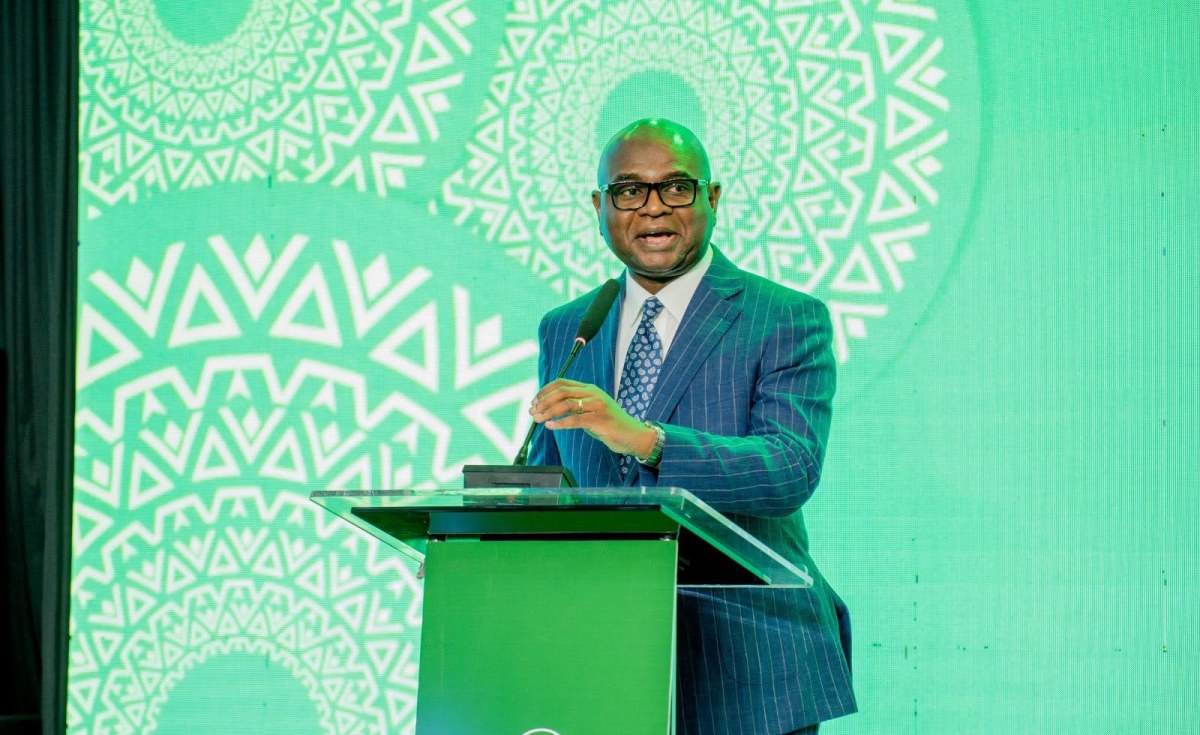
原文原文 / Original TextNairobi — Keynote Address to the 20th Anniversary of the Alliance for Green Revolution in Africa (AGRA) on August 31, 2026
Africa can turn agriculture from a low-productivity employer of last resort into a growth engine. It cannot do so by expanding acreage. It can do so by closing enormous yield gaps on existing land, capturing value that now leaks offshore or rots after harvest, building state capacity that treats food systems as a single interconnected problem, and making the sector a destination for skilled young people rather than an exit ramp.
The starting point is sobering. Agriculture still accounts for about 17 percent of Africa's GDP (roughly 18 percent in sub-Saharan Africa), employs a large share of the workforce, and remains the largest employer of African youth. Cereal yields hover around 1.7 tonnes per hectare against a global average of about 4.2. Rainfed maize in much of sub-Saharan Africa delivers only 15–27 percent of water-limited potential. Fertilizer use is about 23 kg per hectare versus a global rate well above 120 kg
Agriculture accounts for about 17 percent of Africa's GDP, employs a large share of the workforce, and remains the largest employer of African youth.
A 10 percent overall GDP growth rate is exceptional and will not be delivered by primary agriculture alone in most countries. What is realistic—and necessary—is agricultural GDP growth of 6–8 percent sustained for a decade, combined with agro-processing, logistics, and input industries that multiply the effect. In agri-dependent economies (Ethiopia, Nigeria, Kenya, Tanzania, Ghana, and much of the Sahel), that combination can support overall growth in the high single digits and, in well-executed
Here are four specific directions Africa must take now:
1. High-yield seeds on less acreage (productivity first, land last)
The strategy is intensification, not extensification. Africa holds a large share of the world's remaining uncultivated arable land; using it as the growth path destroys forests, raises conflict risk, and still leaves yields low. Close the yield gap on current fields.
本文为英文资讯,中文内容由机器翻译生成,仅供参考。详情请阅读文末原文。
—— 资讯转载说明 ——
本文由非洲论坛根据公开信息整理,供中国读者查阅,不代表本站立场。
来源:AllAfrica (https://allafrica.com/)
原文链接:https://allafrica.com/stories/202609030646.html
转载请遵守原发布方版权与引用规定。 |
|


 发表于 2026-8-26 07:47:13