|
|
#非洲
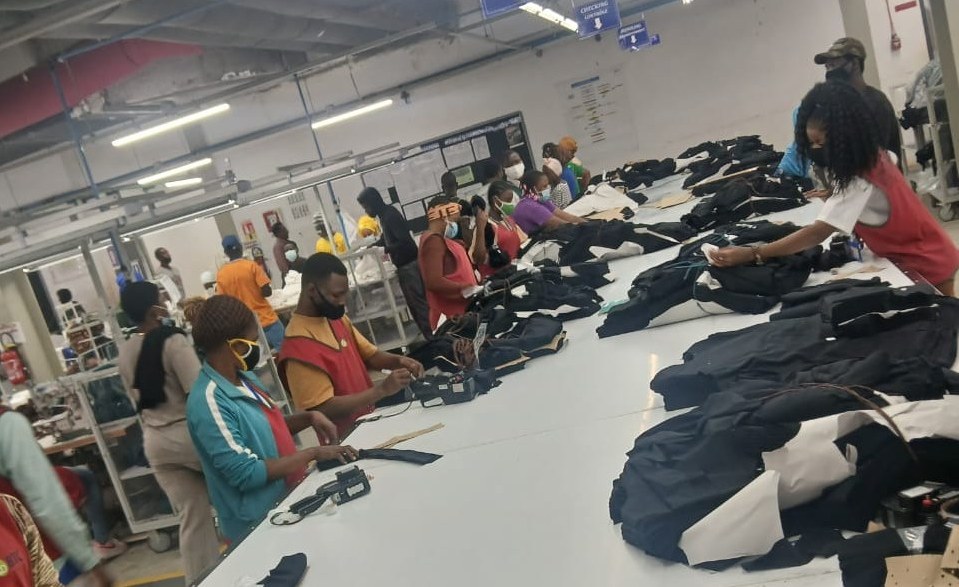
非洲大陆自由贸易区(AfCFTA)为非洲的棉花、纺织和服装企业提供了建立跨国生产网络、吸引投资以及在非洲大陆保留更多价值的机遇。同时,它还能提供加强工厂和贸易走廊所需的共同规则与更大市场。\n\n在非洲大陆自由贸易区启动贸易五年多后,其面临的最大考验之一正在纺织业显现:它能否将非洲的棉农、纺纱工、织布工和服装制造商连接成具有竞争力的区域生产网络?\n\nAfCFTA提供了更大市场和优惠贸易的准入机会,但其成功与否将取决于企业能否将非洲制造的生产要素跨国运送,并将其机遇转化为工厂、投资和就业。\n\n在这种模式下,贝宁种植和轧制的棉花可以在科特迪瓦纺成纱线,在加纳织成布料,并制成服装在整个西非销售。没有哪个国家需要掌握生产的每一个环节。相反,生产者可以专业化分工并在国与国之间交易中间产品,从而在从农田到车间的整个过程中保留更多创造的价值。\n\n这是美好的愿景。更具挑战性的问题是,该贸易协定能否让此类供应链比从亚洲进口纺织原料更廉价、更快捷、更可靠。\n\n来自国际贸易中心的Arisekola Muritala发现,行业正初步摆脱主要围绕原棉出口和孤立的国家级工厂的组织模式。\n\n他表示:“有明显的迹象表明,非洲的棉花到纺织品价值链正开始从碎片化、出口导向型的模式向更高程度的区域加工转变,但我认为这种转型目前仍处于萌芽阶段。”
中文导读
在WhatsApp | LinkedIn上关注我们,获取最新头条新闻
原文原文 / Original TextThe AfCFTA offers African cotton, textile and clothing businesses the opportunity to build cross-border production networks, attract investment and retain more value on the continent. And it can do so while providing the shared rules and larger market needed to strengthen factories and trade corridors.
More than five years after trading began under the African Continental Free Trade Area, one of its biggest tests is taking shape in the textile industry: can it connect the continent’s cotton growers, spinners, weavers and clothing manufacturers into a competitive regional production network?
The AfCFTA offers access to a larger market and preferential trade, but its success will be measured by whether businesses can move African-made inputs across borders and turn that opportunity into factories, investment and jobs.
Follow us on WhatsApp | LinkedIn for the latest headlines
Under this model, cotton grown and ginned in Benin could be spun into yarn in Côte d’Ivoire, woven in Ghana, and made into clothing for sale across West Africa. No country would need to master every stage of production. Instead, producers could specialise and trade intermediate goods across borders, retaining more of the value created between the farm and the shop floor.
That is the promise. The harder question is whether the trade agreement can make such supply chains cheaper, faster and more reliable than importing textile inputs from Asia.
Arisekola Muritala of the International Trade Centre sees early movement away from an industry organised largely around raw cotton exports and isolated national factories.
“There are clear signs that Africa’s cotton-to-textile value chain is beginning to shift from a fragmented, export-oriented model towards greater regional processing, but I would describe the transformation as emerging,” he said.
本文为英文资讯,中文内容由机器翻译生成,仅供参考。详情请阅读文末原文。
—— 资讯转载说明 ——
本文由非洲论坛根据公开信息整理,供中国读者查阅,不代表本站立场。
来源:AllAfrica (https://allafrica.com/)
原文链接:https://allafrica.com/stories/202608300002.html
转载请遵守原发布方版权与引用规定。 |
|


 发表于 2026-8-29 03:35:52