|
|
#赞比亚 #南部非洲 #非洲
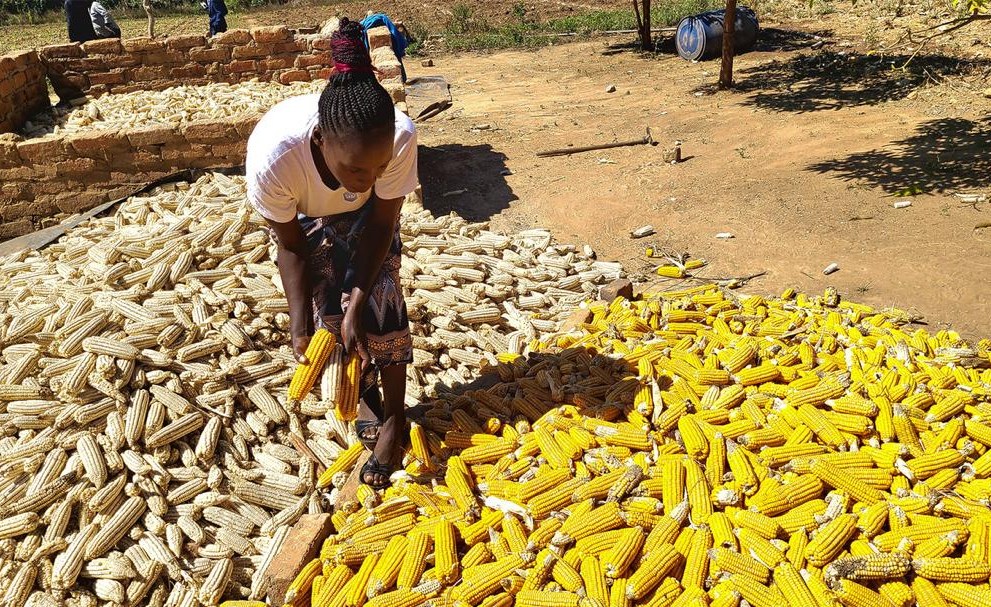
在赞比亚南部的一个农业定居点,各家各户利用抗旱作物的收入购买校服和书籍、支付大学费用并维持温饱。农民们表示,更好的种子、更强劲的价格和更快的付款速度可以帮助更多的农村家庭实现这一目标。\n\n在一间拥挤的教室里,孩子们肩并肩坐在破旧的木制课桌旁,低头看着打开的练习本。随着小学生们在褪色的蓝奶油色墙壁下演算,色彩鲜艳的笔在写满计算过程的纸页上移动。\n\n对于Dumba Settlement的农户来说,让孩子留在这样的教室里,往往取决于他们从棉花中获得的收入。\n\n通过WhatsApp或LinkedIn获取最新头条新闻。\n\nDumba位于赞比亚南部省Mazabuka区的Magoye地区,距离首都卢萨卡约有125公里的公路路程。在这里,农民们种植玉米等粮食作物,但许多人将棉花称为他们的银行:这种作物能够产生购买校服、书籍、食物和其他家庭开支所需的现金。\n\n赞比亚推行免费教育推动了入学率的大幅上升。根据教育部发布的2025年教育统计公报,2025年该国在校生人数近683万人。其中包括706,049名幼儿教育儿童、约469万名小学生以及大约143万名中学生。2024年的总入学人数约为653万人。\n\n但入学机会仍然分布不均。联合国儿童基金会估计,赞比亚约有80万适龄儿童失学。这一数字包括从未入学的儿童以及已经离校的儿童,不应将其描述为因家庭缺乏收入而辍学的学生人数。\n\n尽管政府的免费教育政策取消了从学前班到中学的学费、家长教师协会费和考试费,但家庭仍需承担校服、鞋子、书籍、书包、交通以及后来的高等教育等费用。在农村农业社区,季节性收入可以决定这些费用是否负担得起。
中文导读
跟上WhatsApp上的最新头条| LinkedIn
他表示,在降雨不稳定的时期,棉花也比玉米更具韧性。在最近的一次干旱中,他的玉米遭受严重影响,但他仍然收获了棉花。
Concelia Kalumba (康塞莉亚·卡伦巴), 52岁,自1990年起开始种植棉花。她表示,在过去三十多年里,棉花一直是家庭收入的重要来源。
奇托 (Chito) 表示,棉花深厚的根系使其能够更好地抵御降雨量有限的时期,优于玉米。这种韧性正变得愈发重要,因为日益变幻莫测的天气威胁着农村收入和粮食生产。
原文原文 / Original TextIn a farming settlement in southern Zambia, families use income from a drought-resilient crop to buy uniforms and books, meet college costs and put food on the table. Farmers say better seed, stronger prices and faster payments could help more rural households do the same.
In a crowded classroom, children sit shoulder to shoulder at worn wooden desks, their heads bent over open exercise books. Brightly coloured pens move across pages of handwritten calculations as pupils work beneath faded blue-and-cream walls.
For farming families in Dumba Settlement, keeping children in classrooms like this often depends on the income they earn from cotton.
Keep up with the latest headlines on WhatsApp | LinkedIn
Dumba lies in the Magoye area of Mazabuka District in Zambia’s Southern Province, about 125 kilometres by road from the capital, Lusaka. Here, farmers grow food crops such as maize, but many describe cotton as their “bank”: the crop that produces the cash needed for school uniforms, books, food and other household expenses.
Zambia’s introduction of free education has helped drive a sharp rise in enrolment. The country had almost 6.83 million learners enrolled in 2025, according to the Ministry of Education’s 2025 Education Statistics Bulletin . This included 706,049 children in early childhood education, about 4.69 million primary school learners and approximately 1.43 million secondary school learners. Total enrolment was about 6.53 million in 2024.
But access remains uneven. UNICEF estimates that about 800,000 school-age children in Zambia are out of school. This figure includes children who have never enrolled as well as those who have left school; it should not be described as the number who dropped out because their families lacked income.
Although the government’s free education policy has removed tuition, Parent-Teacher Association and examination fees from preschool to secondary school, families must still meet costs such as uniforms, shoes, books, bags, transport and, later, tertiary education. In rural farming communities, seasonal income can determine whether those costs are affordable.
本文为英文资讯,中文内容由机器翻译生成,仅供参考。详情请阅读文末原文。
—— 资讯转载说明 ——
本文由非洲论坛根据公开信息整理,供中国读者查阅,不代表本站立场。
来源:AllAfrica (https://allafrica.com/)
原文链接:https://allafrica.com/stories/202608140149.html
转载请遵守原发布方版权与引用规定。 |
|


 发表于 2026-8-2 01:46:34