|
|
#肯尼亚 #非洲
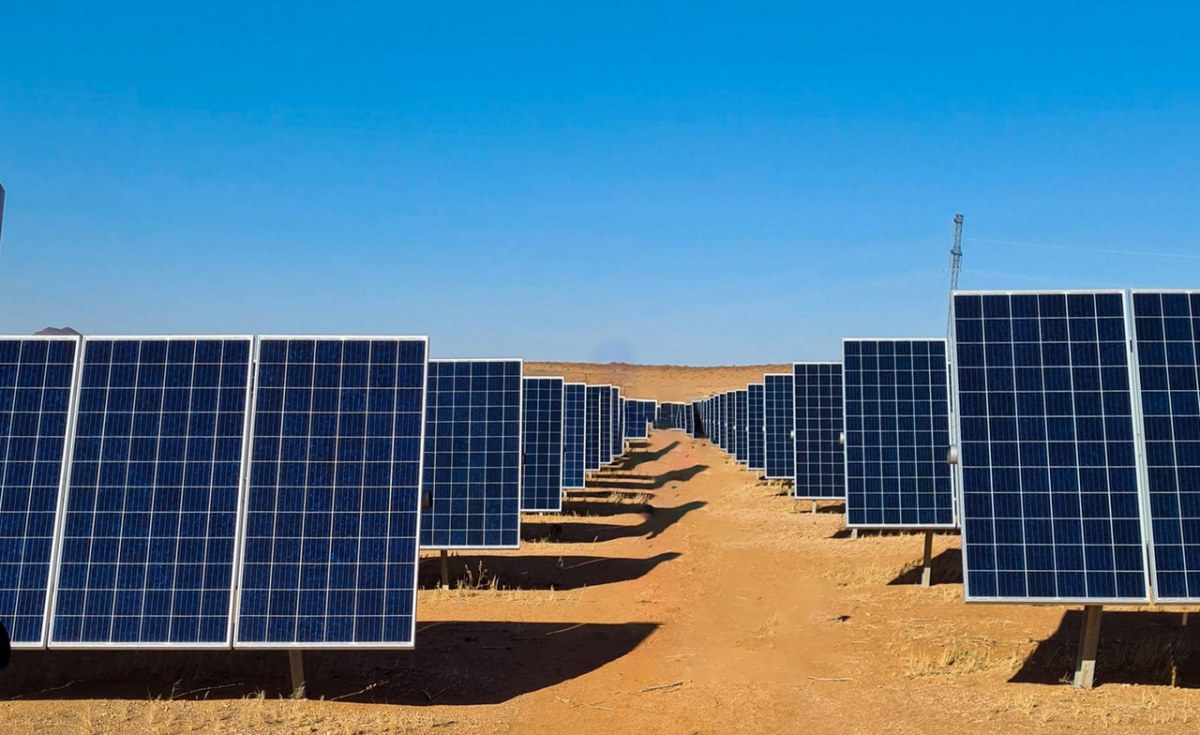
纺织厂、矿区和出口区正在建设自己的电力系统,随着非洲工厂试图避免可能阻碍生产的电力中断,独立发电商发挥着越来越重要的作用。\n\n如今,在Kenya Nairobi的United Aryan服装厂,停电已十分罕见,成千上万块太阳能电池板覆盖了生产车间上方的大部分屋顶。\n\n据该企业及为该项目提供资金的Solarise Africa介绍,这座1.8兆瓦的太阳能电站于2021年安装,旨在为该工厂供电。该工厂生产出口到美国和欧洲的机织和针织服装。该电站拥有3334块电池板,每年可发电约2.3吉瓦时。\n\n在WhatsApp和LinkedIn上关注我们,获取最新头条新闻。\n\nUnited Aryan并未与Kenya的电网断开。该太阳能电站与更广泛的电力系统协同运行,为工厂提供了另一种电源,并减少了其需要从电网购买的电量。\n\n随着制造商和矿企在公共电力供应昂贵或不可靠时,寻找维持生产运行的方法,这种做法在非洲的大型用电企业中正变得越来越普遍。\n\n现场发电(也称为分布式发电)是指在用电端或其附近生产电力。企业无需完全依赖中央电网的电力,而是运行自己的设备来满足部分或全部能源需求。\n\n集中式发电依赖于远距离输电,这会因线路损耗和阻塞而增加成本,并使用户面临系统性风险。现场发电则通过在设施内部生产能源来降低这些风险,减少损耗,并使企业能够灵活地选择与电网并网运行或独立运行。
中文导读
在WhatsApp | LinkedIn上关注我们,获取最新头条新闻
原文原文 / Original TextTextile plants, mines and export zones are building their own electricity systems, creating a growing role for independent producers as African factories seek to avoid disruptions that can throttle production.
Blackouts are rare these days at United Aryan’s garment factory in Nairobi, Kenya, where thousands of solar panels cover much of the roof above the production floor.
The 1.8 MW solar plant was installed in 2021 to supply electricity to the factory, which makes woven and knitted garments for export to the United States and Europe. It has 3,334 panels and can produce about 2.3 GWh of electricity a year, according to the company and Solarise Africa, which financed the project.
Follow us on WhatsApp | LinkedIn for the latest headlines
United Aryan is not disconnected from Kenya’s power grid. The solar plant works alongside the wider electricity system, giving the factory another source of power and reducing the amount it needs to buy from the grid.
The approach is becoming more common among large power users in Africa, as manufacturers and mines look for ways to keep production running when the public supply is costly or unreliable.
On‑site generation, also called distributed generation, means producing electricity at or near the point of use. Instead of relying fully on power from the central grid, businesses run their own equipment to cover part or all of their energy needs.
Centralised generation depends on long‑distance transmission, which adds costs through line losses and congestion and exposes users to system‑wide risks. On‑site generation cuts those risks by producing energy at the facility, reducing losses and giving businesses the flexibility to work with or apart from the grid.
本文为英文资讯,中文内容由机器翻译生成,仅供参考。详情请阅读文末原文。
—— 资讯转载说明 ——
本文由非洲论坛根据公开信息整理,供中国读者查阅,不代表本站立场。
来源:AllAfrica (https://allafrica.com/)
原文链接:https://allafrica.com/stories/202609110070.html
转载请遵守原发布方版权与引用规定。 |
|


 发表于 2026-9-6 17:14:47