|
|
#非洲
巴西里约热内卢 — 在2026年艾滋病大会正式开幕前,艾滋病维权人士就华盛顿全球艾滋病战略的重大调整当面质问了美国官员,指责特朗普政府通过削减资金制造了公共卫生紧急状况,而美方则为一项旨在建立更具可持续性、由各国主导的艾滋病项目的新融资模式进行了辩护。\n\n这场争论的核心是美国优先全球卫生战略。在该战略下,美国正用为期五年的双边谅解备忘录(MOUs)取代传统的资助项目,要求伙伴国逐步承担更多资金和管理责任,以应对艾滋病。目前已有34个国家签署了协议,承诺在2026年至2030年美国援助逐渐减少期间增加国内卫生支出。\n\nFHI 360高级艾滋病技术总监克里斯·阿科洛(Dr Chris Akolo)博士在里约热内卢举行的关于落实这些协议的会前会议开幕式上表示,谅解备忘录已成为维持艾滋病项目核心机制,需要政府、当地执行伙伴与美国机构之间展开密切合作。\n\n此次会议汇集了伙伴国卫生部代表、当地执行组织以及美国政府官员,共同探讨在过渡期间的国家所有权、治理、国内融资以及维持艾滋病服务提供等问题。\n\n通过WhatsApp或LinkedIn获取最新头条新闻\n\n针对对新战略的批评,美国代理全球艾滋病协调员杰夫·格雷厄姆(Jeff Graham)坚称,美国对终结艾滋病的承诺丝毫没有改变。他表示,改革旨在加强而非削弱全球应对力度。\n\n我们对终结艾滋病的承诺没有减弱。我们在这里。我们依然处于全球卫生的领导地位。我们在这里领导艾滋病应对工作。我们在改变模式,但没有改变使命,格雷厄姆说。\n\n他表示,向国家所有权的转变自2008年以来就被写入了PEPFAR立法,目前正通过双边协议付诸实施,这些协议根据每个国家的流行病学状况、财政能力以及承担更多艾滋病应对责任的准备情况进行了量身定制。
中文导读
跟上WhatsApp上的最新头条| LinkedIn
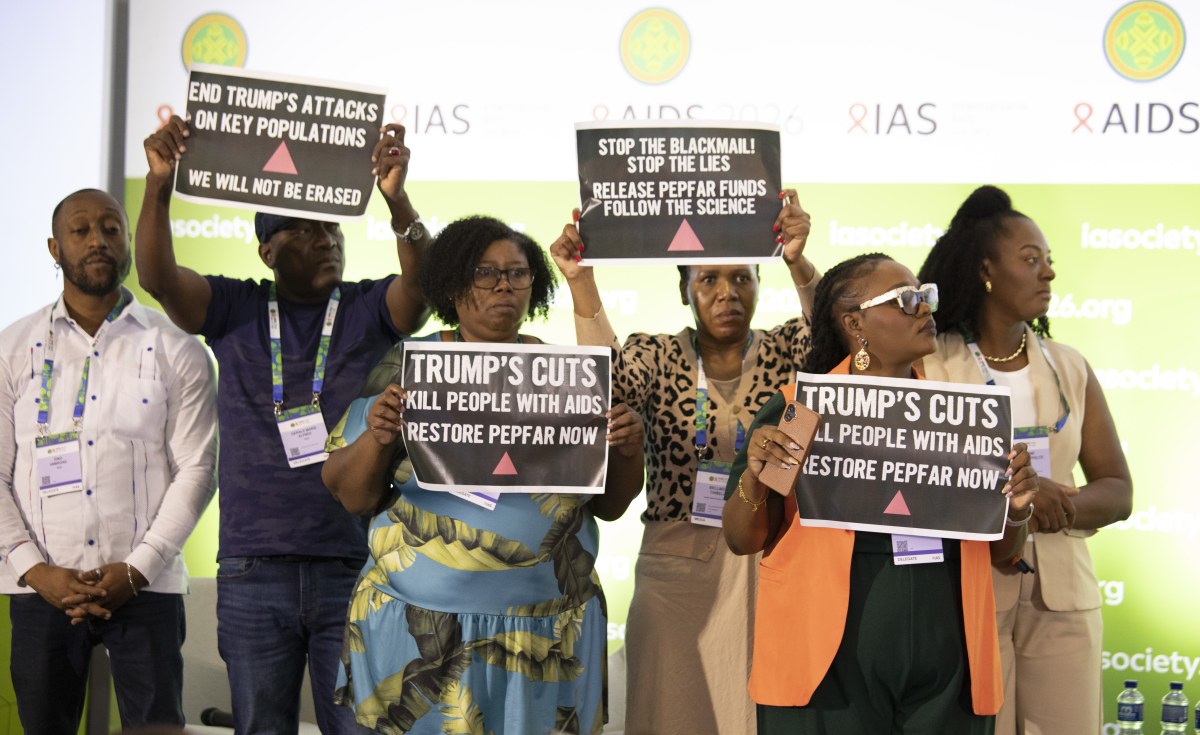
原文原文 / Original TextRio de Janeiro, Brazil — HIV activists confronted U.S. officials before the official start of the AIDS 2026 conference over sweeping changes to Washington's global HIV strategy, accusing the Trump administration of creating a public health emergency through funding cuts, while the United States defended a new financing model that it says will build more sustainable, country-led HIV programmes.
At the centre of the debate is the America First Global Health Strategy, under which the United States is replacing traditional donor-funded programmes with five-year bilateral Memoranda of Understanding (MOUs) that require partner countries to gradually assume greater responsibility for financing and managing their HIV responses. So far, 34 countries have signed agreements committing to increase domestic health spending between 2026 and 2030 as U.S. support is gradually reduced.
Opening the pre-conference session in Rio de Janeiro on implementing the agreements, Dr Chris Akolo, Senior Technical Director for HIV at FHI 360, said the MOUs had become a central mechanism for sustaining HIV programmes and required close collaboration between governments, local implementing partners and U.S. agencies.
The session brought together representatives from partner country ministries of health, local implementing organisations and U.S. government officials to discuss country ownership, governance, domestic financing and maintaining HIV service delivery during the transition.
Keep up with the latest headlines on WhatsApp | LinkedIn
Responding to criticism of the new strategy, Acting U.S. Global AIDS Coordinator Jeff Graham insisted the United States remained fully committed to ending HIV. He said the reforms were intended to strengthen, rather than weaken, the global response.
"Our commitment to ending HIV is undiminished. We are here. We are still in the leadership seat for global health. We are here leading the HIV response. We're changing the model, but not the mission," said Graham.
He said the move toward country ownership had been written into PEPFAR legislation since 2008 and was now being implemented through bilateral agreements tailored to each country's epidemiological situation, fiscal capacity and readiness to assume greater responsibility for its HIV response.
本文为英文资讯,中文内容由机器翻译生成,仅供参考。详情请阅读文末原文。
—— 资讯转载说明 ——
本文由非洲论坛根据公开信息整理,供中国读者查阅,不代表本站立场。
来源:AllAfrica (https://allafrica.com/)
原文链接:https://allafrica.com/stories/202607270001.html
转载请遵守原发布方版权与引用规定。 |
|


 发表于 2026-7-25 04:53:49