|
|
#坦桑尼亚 #东非 #非洲
坦桑尼亚的棉花产量超过了其纺织工业的处理能力,大部分皮棉被出口,而服装厂和时装设计师却不得不进口面料。新的投资有助于缩小这一工业差距,创造制造业就业机会,并在国内保留更多价值。\n\n时装设计师法图马·哈米斯(Fatuma Hamis)在非洲的一个产棉国工作,然而她使用的大部分面料都来自中国。\n\n除了坎加(kanga)和维腾格(vitenge)等产品外,哈米斯表示,本地生产的材料无法提供她所需的丰富种类。她的经历暴露了坦桑尼亚棉花经济中一个代价高昂的缺口:该国种植并出口棉花,但其本国的设计师和服装制造商所使用的面料大部分仍需进口。\n\n她说:我使用的面料来自中国。在本地,除了坎加和维腾格等产品外,很难买到其他材料。\n\n根据坦桑尼亚棉花委员会(TCB)的数据,坦桑尼亚在2025/26销售季生产了222057吨籽棉。但由于纺纱、织布和纺织品制造能力有限,绝大多数棉花在被加工成纱线、面料或成衣之前就已经运往国外。根据每年的产量水平,平均只有20%到30%的皮棉在国内加工,其余70%到80%则被出口。\n\n这些数据凸显了坦桑尼亚的工业机遇:将棉花种植与不断增长的服装和时尚产业连接起来。棉花养活了数千名农户并创造了出口收入,但在到达更高价值的环节之前,大部分棉花就已经离境。坦桑尼亚能够将籽棉轧制成皮棉,但缺乏将其纺成纱线、织造或针织面料以及进行印染和后整理的足够能力。\n\n坦桑尼亚棉花委员会代理总干事伦纳图斯·卢内哈(Renatus Luneja)表示,该国纺织加工能力有限,仍然是大量棉花在经历更高价值制造之前就流出坦桑尼亚的主要原因之一。
中文导读
坦桑尼亚 (Tanzania) 生产的棉花数量远超其纺织业的加工能力,大部分原棉被出口,然而,该国的服装厂和时装设计师却依赖进口面料。新的投资有望帮助弥合这一产业差距,从而创造更多制造业就业机会,并在国内保留更多附加值。
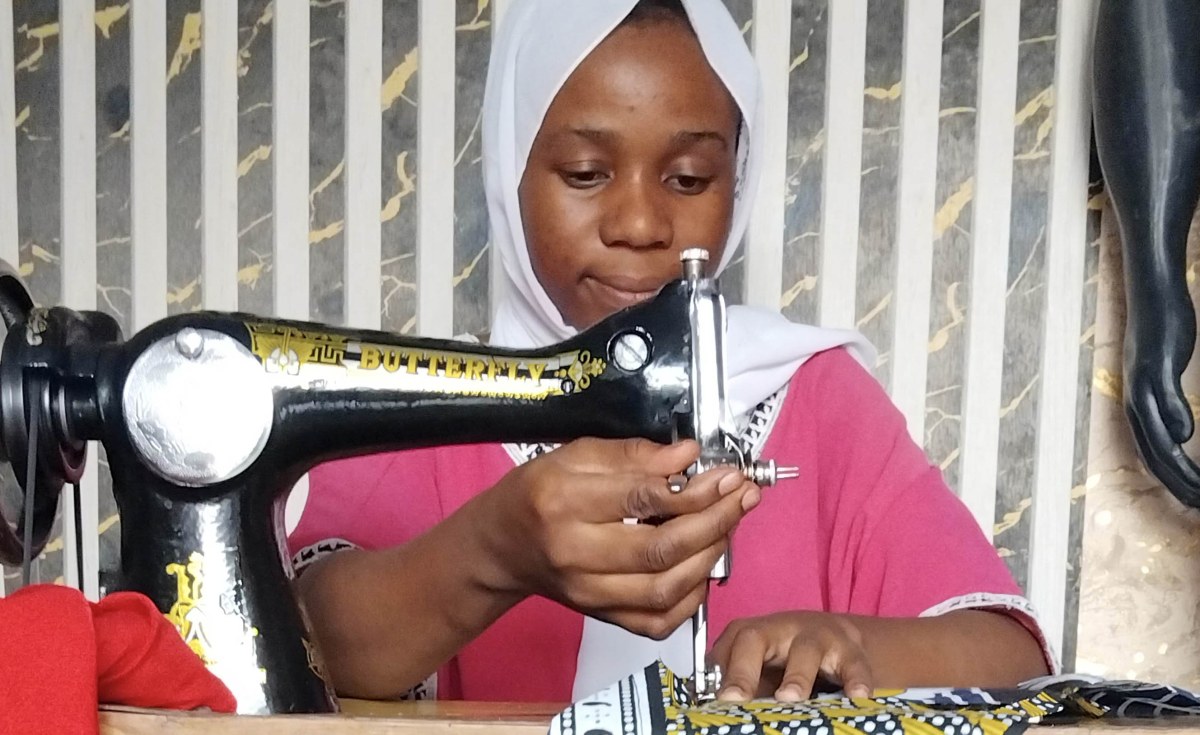
时装设计师 Fatuma Hamis (法图玛·哈米斯) 在非洲 (Africa) 的一个产棉国工作,然而她使用的大部分面料都来自中国 (China)。
“我使用的面料来自中国 (China)。她表示,在本地,除了坎加和维腾格等少数产品外,其他材料不易获得。”
跟上WhatsApp上的最新头条| LinkedIn
据坦桑尼亚棉花局(Tanzania Cotton Board, TCB)称,坦桑尼亚在2025/26销售季生产了222,057吨籽棉。然而,由于纺纱、织布和纺织品制造能力有限,大部分棉花在被加工成纱线、面料或成品服装之前就离开了该国。平均而言,该国只有20%到30%的皮棉在国内加工,而剩余的70%到80%则被出口,具体取决于每年的产量水平。
这些数据凸显了坦桑尼亚 (Tanzania) 的工业机遇:将其棉花农场与日益增长的服装和时尚产业连接起来。棉花支持着数千名农民并创造出口收入,但其中大部分在达到更高价值阶段之前就离开了该国。坦桑尼亚 (Tanzania) 可以将籽棉加工成皮棉,但缺乏足够的产能将其纺成纱线、织造或针织面料,以及对纺织品进行染色和后整理。
坦桑尼亚棉花局 (Tanzania Cotton Board) 代理总干事雷纳图斯·卢内贾 (Renatus Luneja) 表示,该国有限的纺织加工能力仍然是主要原因之一,导致大部分棉花在进行更高附加值加工之前就离开了坦桑尼亚。
他表示,**Tanzania**(坦桑尼亚)的工业目前每年仅加工约2.5万至3万吨皮棉,远低于每年的年产量。
卢内贾 (Luneja) 表示,政府和私营部门正通过鼓励对纺纱、纺织和服装制造领域的投资,努力加强棉花价值链。他指出,姆万扎 (Mwanza) 的尼亚马塔拉工业区 (Nyamatara Industrial Zone) 的发展,是旨在建设基础设施以支持为棉花及其他农产品增值产业的努力之一。
据Luneja(卢内贾)表示,政府已为Nyamatara Industrial Zone(尼亚马塔拉工业区)的土地征用支付了超过40亿坦桑尼亚先令的补偿金。基础设施建设,包括电力连接,已经启动,而城市规划程序仍在进行中。他表示,该工业区的正式宣布日期尚未确定,一旦所有法律要求完成,将对外公布。
根据纺织专家 Elias Ipyana Sollo(埃利亚斯·伊皮亚纳·索洛)的说法,该工厂从本地采购部分面料,其中包括由 A to Z Textile Mills(A到Z纺织厂)供应的材料。其他材料则从中国、土耳其和阿拉伯联合酋长国进口,因为国内无法持续供应合适的替代品。
Hamis (哈米斯) 自幼便开始设计服装,并于2022年接受了正规培训。此后,她已积累了客户基础,并相信Tanzania (坦桑尼亚) 的时尚产业拥有巨大的发展空间。
要实现这一潜力,离不开纺纱织布厂的运营、可靠的能源和基础设施、资金、技术、高效的监管以及对本地制造纺织品的需求。
原文原文 / Original TextTanzania produces more cotton than its textile industry can process, exporting most of its lint while garment factories and fashion designers import fabric. New investment could help close this industrial gap, creating manufacturing jobs and retaining more value at home.
Fashion designer Fatuma Hamis works in one of Africa’s cotton-producing countries, yet much of the fabric she uses comes from China.
Apart from products such as kanga and vitenge, Hamis says locally produced materials are not readily available in the range she needs. Her experience exposes a costly gap in Tanzania’s cotton economy: the country grows and exports cotton but still imports much of the fabric used by its own designers and clothing manufacturers.
“The fabrics I use come from China. Here at home, materials are not easily available, except for some products such as kanga and vitenge,” she said.
Keep up with the latest headlines on WhatsApp | LinkedIn
Tanzania produced 222,057 tonnes of seed cotton during the 2025/26 marketing season, according to the Tanzania Cotton Board (TCB). But limited spinning, weaving and textile-manufacturing capacity means that most of the cotton leaves the country before it can be transformed into yarn, fabric or finished clothing. On average, only 20% to 30% of the country’s cotton lint is processed domestically, while the remaining 70% to 80% is exported, depending on annual production levels.
The figures highlight Tanzania’s industrial opportunity: connecting its cotton farms to a growing garment and fashion industry. Cotton supports thousands of farmers and generates export earnings, but much of it leaves the country before reaching higher-value stages. Tanzania can gin seed cotton into lint, but lacks sufficient capacity to spin it into yarn, weave or knit fabric, and dye and finish textiles.
Renatus Luneja, acting Director General of the Tanzania Cotton Board, says the country's limited textile processing capacity remains one of the main reasons much of the cotton leaves Tanzania before higher-value manufacturing takes place.
本文为英文资讯,中文内容由机器翻译生成,仅供参考。详情请阅读文末原文。
—— 资讯转载说明 ——
本文由非洲论坛根据公开信息整理,供中国读者查阅,不代表本站立场。
来源:AllAfrica (https://allafrica.com/)
原文链接:https://allafrica.com/stories/202608060480.html
转载请遵守原发布方版权与引用规定。 |
|


 发表于 2026-7-31 01:18:07