|
|
#肯尼亚 #东非 #非洲
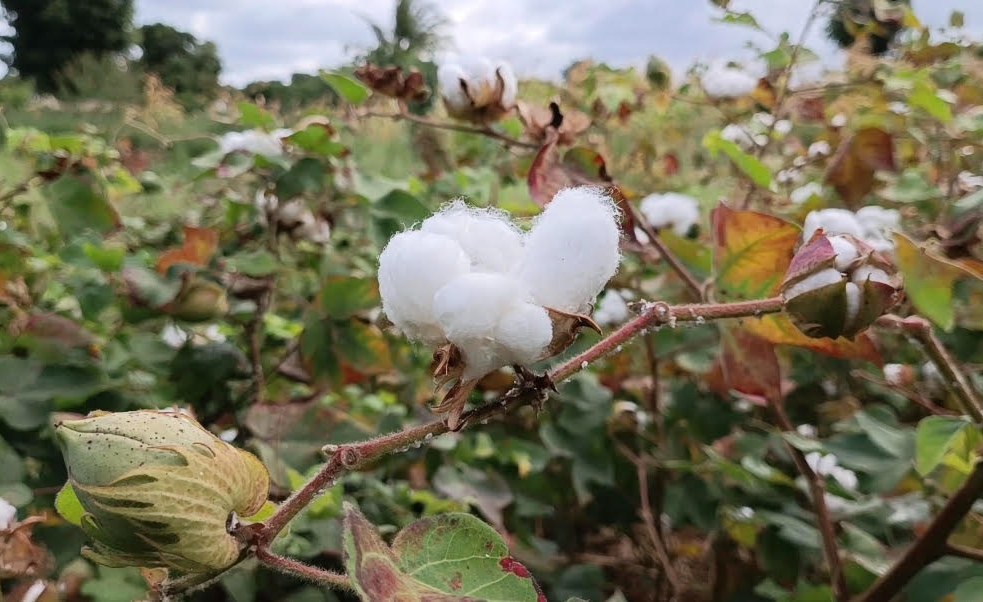
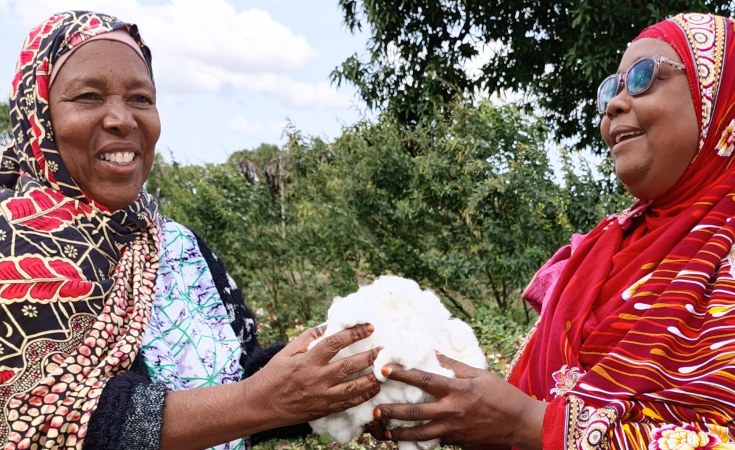
前往拉穆(Lamu)的旅程漫长而折磨,但抵达后,这座位于肯尼亚海岸外的岛屿会以无与伦比的美景迎接来访者。\n\n然而,在红树林环绕的海岸和错落的村庄背后,却是一个关于韧性、创新和重燃希望的故事。在这里,在一片片生机勃勃的Bt棉花(一种高产抗虫棉品种)田中,农民们正悄悄改写着一种曾被许多人长期放弃的作物的命运。对于Aisha Mohammed和Julia Njuguna这样的寡妇来说,棉花的复兴远不止是增产;它让孩子们得以重返学校,重建了家园,并恢复了信心。\n\n在Mapenya村,Aisha Mohammed便是这样一个故事的主角。作为巴朱尼(Bajuni)社群的成员,Aisha多年来主要依靠小规模畜牧业度日,这项事业收入微薄,勉强能维持家人的生计。作为孙子们的唯一经济支柱,谋生是一场持续的斗争。\n\n一年前,当拉穆郡农业部的推广官员向她介绍Bt棉花种植时,一切都改变了。今天,她带着一种安静的自豪感谈论这种作物。她的首次收成带来了她以前从未想象过的回报。这些收益使她能够持续喂饱孙子供他们上学,并开始为未来做打算。她现在计划用种植棉花赚取的收入投资更好的品种,以此来提高牲畜的质量。\n\n我们社区从未将农作物种植作为收入来源。我们养了几只山羊和奶牛主要是为了产奶,每当我们需要钱时,就会卖掉一只山羊来买食物。我的父母种过绿豆,有时也靠捕鱼为生,但那仅够全家温饱。尽管政府安置的其他社群接受了商业农业,但我们从未这样做。自从我开始种植Bt棉花,一切都变了。今天,我可以舒舒服服地抚养孙子们了。\n\n在距离Aisha的小农场几公里远的地方,住着另一位因种植这种作物而改变生活的农民Julia Njuguna。\n\n站在她长势茂盛的棉田旁,Julia指着一栋新建的房屋,将其视为接受Bt cotton带来的切实好处之一。\n\n额外的收入不仅使她能够建造更好的房屋,还显着改善了她家人的生活水平。
中文导读
拉穆 (Lamu) 棉花产业的复兴,也得益于那些即使在产业低迷时期仍持续支持该领域的合作社。肯雅塔农民合作社 (Kenyatta Farmers Cooperative Society) 主席戴维·恩朱古纳 (David Njuguna) 将该产业的兴衰追溯到1976年,即该合作社成立之时。他回忆说,当时棉花是拉穆 (Lamu) 最可靠的经济作物之一,养活了数千户家庭,并资助了包括他自己在内的许多儿童的教育。他说:“我就是依靠棉花种植的收入得以成长和接受教育的。”
原文原文 / Original TextThe trip to Lamu is long and torturous but on arrival, one is met by unmatched beauty in this island off the Kenyan coast.
Beyond the mangrove-lined shores and scattered villages however lies a a story of resilience, innovation and renewed hope. Here, among fields of vibrant Bt cotton – a high-yielding and pest-resistant cotton variety - farmers are quietly rewriting the fortunes of a crop that many had long written off. For widows like Aisha Mohammed and Julia Njuguna, the revival of cotton is doing far more than increasing yields; it is putting children through school, rebuilding homes and restoring confidence in
In Mapenya sub-location, one such story belongs to Aisha Mohammed. A member of the Bajuni community, Aisha spent years relying mainly on small-scale livestock keeping, an enterprise that brought little income and barely sustained her family. As the sole provider for her grandchildren, making ends meet was a constant struggle.
Everything changed a year ago when extension officers from the Lamu County Department of Agriculture introduced her to Bt cotton farming. Today, she speaks about the crop with quiet pride. Her first harvest delivered returns she had never imagined possible. The proceeds have enabled her to feed her grandchildren consistently, keep them in school and start planning for the future. She now has plans of improving the quality of her livestock by investing in better breeds, using income earned from c
"Our community has never relied on crop farming as a source of income. We kept a few goats and cows mainly for milk, and whenever we needed money, we would sell a goat to buy food. My parents grew green grams and sometimes depended on fishing, but that was only to feed the family. Even though other communities settled here by the government embraced commercial farming, we never did. Everything changed when I started growing Bt cotton. Today, I can comfortably provide for my grandchildren, and mo
A few kilometres from Aisha’s small farm lives Julia Njuguna, another farmer whose life has been transformed by the crop.
Standing beside her thriving cotton field, Julia points to a newly built house as one of the tangible benefits of embracing Bt cotton.
The additional income has not only enabled her to construct a better home but has also significantly improved her family's standard of living.
本文为英文资讯,中文内容由机器翻译生成,仅供参考。详情请阅读文末原文。
—— 资讯转载说明 ——
本文由非洲论坛根据公开信息整理,供中国读者查阅,不代表本站立场。
来源:AllAfrica (https://allafrica.com/)
原文链接:https://allafrica.com/stories/202608050579.html
转载请遵守原发布方版权与引用规定。 |
|


 发表于 2026-7-30 07:22:37