|
|
#肯尼亚 #东非 #非洲
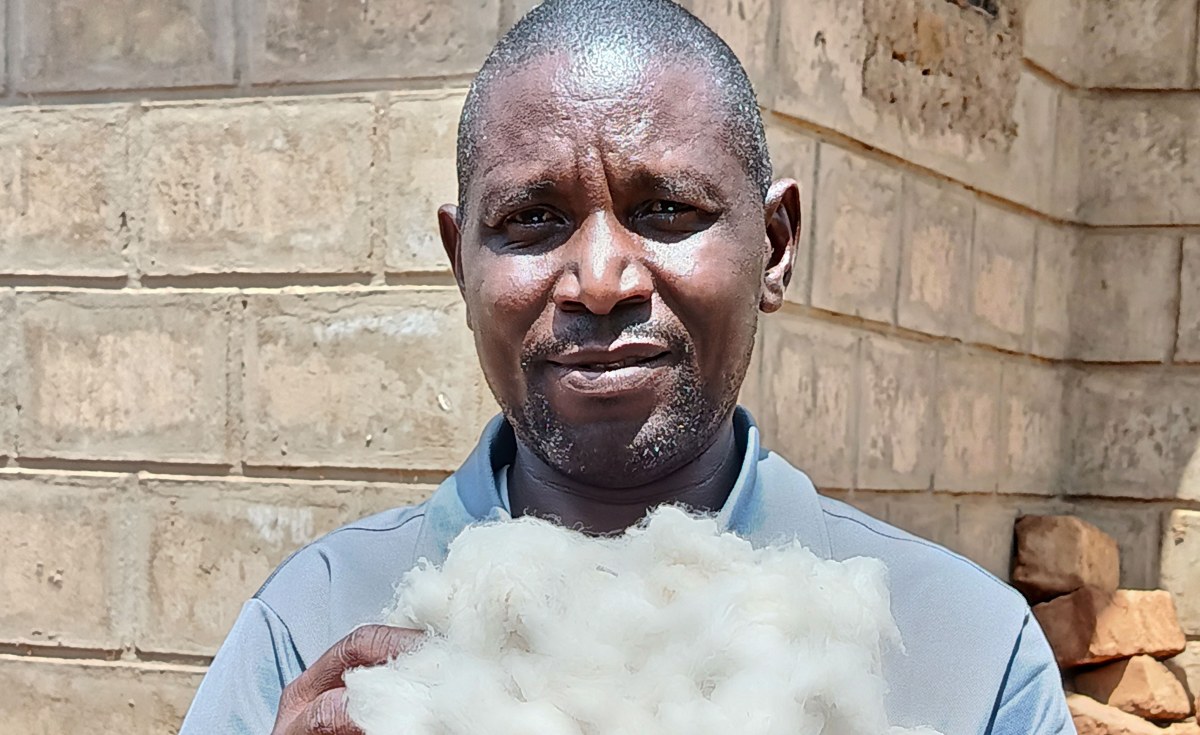
一款本土研发的便携式轧棉机正在帮助肯尼亚的棉花农民在更靠近家门口的地方加工收获的棉花,减少损失,并通过分别出售皮棉和棉籽来获得更多收入。其开发人员认为,这种分散式加工有助于复苏该国的棉花产业,同时在农村社区保留更多的价值和就业机会。\n\n在过去的八年里,每年的6月到7月对肯尼亚东部恩布郡姆贝雷北子郡坎尤安博拉村的棉花种植户Joseph Nyaga来说都是一段熟悉的日常。\n\n这些月份正是他收获棉花的季节。棉花收获后,他会将其打包进麻袋,等待商业轧棉厂前来收购农产品。\n\n收购商通常在10月份左右到来。这意味着他需要将收获的棉花储存大约五个月,使其暴露在害虫侵扰、潮湿、质量劣化以及价格不确定性的风险之中。\n\n通过WhatsApp和LinkedIn关注最新头条新闻\n\n领导着拥有50多名成员的姆贝雷北棉花合作社的Nyaga说:漫长的等待往往伴随着代价。老鼠是棉花的最大敌人,它们会啃食棉花,导致收获的数量和质量下降。等收购商到达时,我已经没有什么议价能力,只能被迫接受他们给出的任何价格。\n\n根据肯尼亚农渔业管理局(AFA)2025年统计年鉴,尽管肯尼亚棉花产业对该国的纺织和服装行业具有战略重要性,但其发展依然严重滞后。2023年,该国在12152公顷的土地上仅生产了3863公吨籽棉,涉及约30000个农户。该行业在2023年通过皮棉估计创造了3.1亿先令的收入,通过棉籽创造了2.31亿先令的收入,这凸显了其规模相对较小但具有潜力。\n\n《非洲生物技术期刊》的一项研究估计,该国每年可种植多达38.5万公顷的棉花,生产多达22万公吨的籽棉,使多达20万个农户受益。
中文导读
跟上WhatsApp上的最新头条| LinkedIn
在社区层面设立纺纱厂,将确保更大一部分价值链在本地完成。此举将创造更多就业机会,降低生产成本,并确保农民和本地制造商从棉花加工的每个阶段中获益,穆索尼·涅鲁 (Muthoni Njeru) 表示。
原文原文 / Original TextA locally developed portable ginnery is helping Kenyan cotton farmers process their harvests closer to home, reduce losses and earn more by selling lint and seed separately. Its developers believe decentralised processing could help revive the country's cotton industry while keeping more value and jobs in rural communities.
For the last eight years, June to July marked a familiar routine for Joseph Nyaga, a cotton farmer in Kanyuambora village, Mbeere North Sub-county, Embu County, Eastern Kenya.
These are the months he has been harvesting his cotton. Once harvested, he would pack it in sacks, waiting for commercial ginneries to arrive and buy the produce.
The buyers would come around October. That meant about five months of storing the harvest, exposing it to pests, moisture, quality deterioration, and price uncertainty.
Keep up with the latest headlines on WhatsApp | LinkedIn
"The wait often came at a cost. The rats, the biggest enemy of cotton, would eat into the cotton, reducing both the quantity and quality of the harvest. By the time buyers arrived, I used to have little bargaining power and was forced to accept whatever price they offered," says Nyaga, who leads the Mbeere North Cotton Cooperative Society which has more than 50 members.
According to the Agriculture and Food Authority (AFA) Yearbook of Statistics 2025, Kenya's cotton industry remains significantly underdeveloped despite its strategic importance to the country's textile and apparel sector. In 2023, the country produced just 3,863 metric tonnes of seed cotton from 12,152 hectares, involving about 30,000 farming households. The sector generated an estimated Sh310 million from lint and Sh 231 million from cotton seed in 2023, highlighting its relatively small but i
An African Journal of Biotechnology research estimates that the country could cultivate as much as 385,000 hectares of cotton and produce up to 220,000 metric tonnes of seed cotton annually, benefiting up to 200,000 farming households.
本文为英文资讯,中文内容由机器翻译生成,仅供参考。详情请阅读文末原文。
—— 资讯转载说明 ——
本文由非洲论坛根据公开信息整理,供中国读者查阅,不代表本站立场。
来源:AllAfrica (https://allafrica.com/)
原文链接:https://allafrica.com/stories/202607290371.html
转载请遵守原发布方版权与引用规定。 |
|


 发表于 2026-7-24 02:02:20