|
|
#尼日利亚 #西非 #非洲
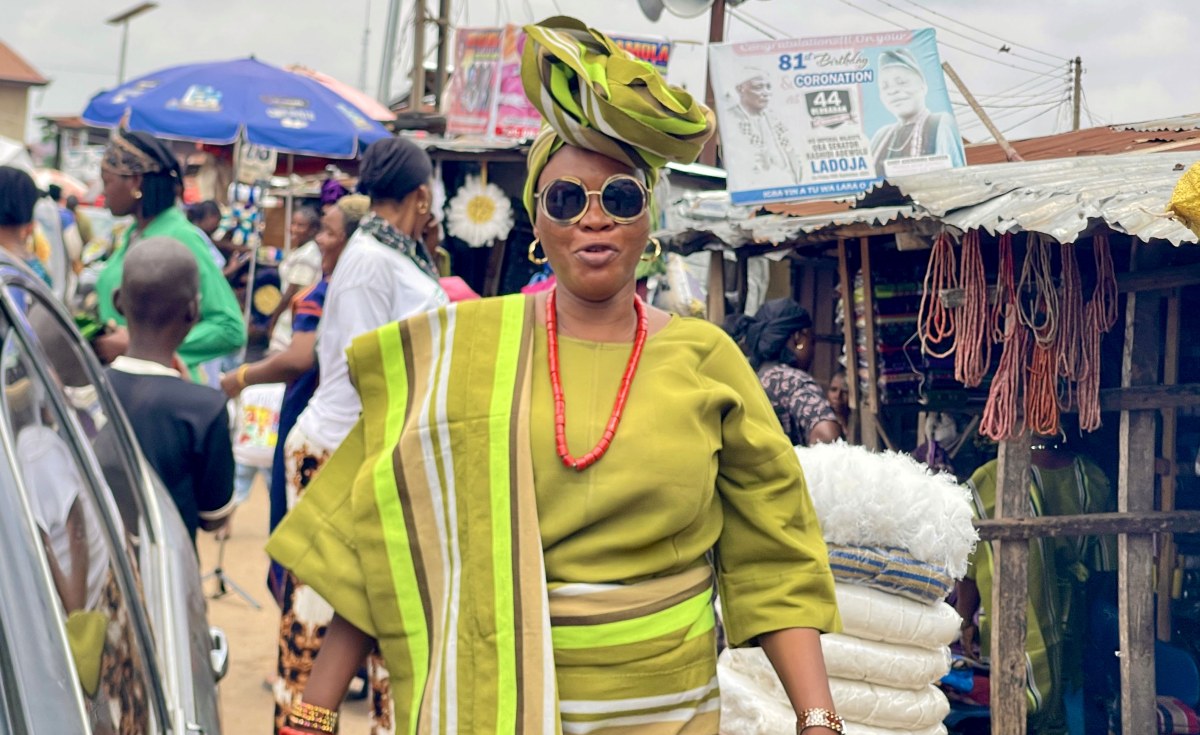
Aso-Oke从未如此时尚过,频频亮相于国际T台和奢侈品系列。然而,在这艳丽的面料背后,却是一个鲜为人知的故事:构建了尼日利亚标志性纺织品贸易的女性们正在与不断上涨的成本、进口材料以及日渐消失的技艺作斗争,以确保这一拥有数百年历史的传统能够延续至下一代。\n\n每天清晨,当Olugbesan Omosolape打开位于尼日利亚西南部Ijebu-ode的Olabisi Onabanjo国际市场的店铺时,那些色彩已经开始争奇斗艳。一卷卷闪闪发光的Aso-Oke——深红、祖母绿、宝石蓝和金色——铺满货架,等待着变成婚礼服、庆典裹裙以及能够超越庆典本身的头饰。顾客们依然络绎不绝,有的人亲临现场,更多人则通过手机下单,寻找着手工织物。\n\nAso-Oke是一种珍贵的手工织布,历史上由尼日利亚本土种植的棉花制成。它在西南部的约鲁巴人中非常普遍,织造工作主要集中在Oyo州的Iseyin和Kwara州的Ilorin。\n\n对于Omosolape来说,在这光鲜亮丽的面料背后,隐藏着她的前四代女性先辈从未面对过的不确定性。“我的母亲从她母亲那里继承了这门手艺,现在我把它延续了下来。我们已经是第四代了,”Omosolape说。\n\n这项生意几十年来支付了学费,支撑了生计,并赋予了她家族中的女性财务独立。这是一笔她希望女儿能够继承的遗产。但她破天荒地第一次感到不确定,下一代是否还想要它。\n\n“我很想把生意传给女儿,但我担心,由于这门生意不再像以前那样利润丰厚,她可能对继续经营失去兴趣。”\n\n这种焦虑反映了尼日利亚最古老的本土产业之一正在发生的变化。正当Aso-Oke在纽约、巴黎的时装屋、出口市场和T台上迎来文艺复兴般的复兴之际,那些为其创造商业成功的女性们却发现,受欢迎并不总能为后代转化为财富。
中文导读
在WhatsApp | LinkedIn上关注我们,获取最新头条新闻
他们在营销、零售和客户咨询服务领域占据主导地位。其中许多人不仅仅销售 Aso-Oke(阿索奥克布料),还为顾客提供颜色搭配建议,为庆典活动推荐尺寸,并协调整套服装。
原文原文 / Original TextAso-Oke has never been more fashionable, appearing on international runways and in luxury collections. But behind the vibrant fabric lies a quieter story: the women who built Nigeria's iconic textile trade are fighting rising costs, imported materials and disappearing skills to ensure a centuries-old tradition survives another generation.
By the time Olugbesan Omosolape unlocks her shop each morning at the Olabisi Onabanjo International Market in Ijebu-ode, south-west Nigeria, the colours have already begun to compete for attention. Rolls of shimmering Aso-Oke - crimson, emerald, sapphire and gold - spill across shelves waiting to become wedding gowns, ceremony wrappers, and headpieces that will outlive the celebration they adorn. Customers still come - some in person, many through their mobile phones - searching for the handwov
Aso-Oke is a prestigious handwoven cloth, which was historically made from Nigerian grown cotton. It is common among the Yoruba people in the Southwest and the weaving is largely done in Iseyin, Oyo State and Ilorin, Kwara State.
For Omosolape, beneath the brilliance of the fabric lies an uncertainty that has never confronted the four generations of women before her. "My mother inherited it from her own mother and now I have continued it. We are the fourth generation," Omosolape said.
Follow us on WhatsApp | LinkedIn for the latest headlines
The business has paid school fees, built livelihood and given women in her family financial independence across decades. It is a legacy she hopes her daughter will inherit. But for the first time, she's unsure whether the next generation wants it.
"I would love to pass the business on to my daughter, however, I am worried that because the business is no longer as profitable as it used to be, she may not be interested in continuing it."
This anxiety mirrors the transformation unfolding inside one of Nigeria's oldest indigenous industries. As Aso-Oke enjoys a renaissance in fashion houses, export market and runways in New York, Paris, the women who built its commercial success are discovering that popularity does not always translate into prosperity for generations.
本文为英文资讯,中文内容由机器翻译生成,仅供参考。详情请阅读文末原文。
—— 资讯转载说明 ——
本文由非洲论坛根据公开信息整理,供中国读者查阅,不代表本站立场。
来源:AllAfrica (https://allafrica.com/)
原文链接:https://allafrica.com/stories/202607290372.html
转载请遵守原发布方版权与引用规定。 |
|


 发表于 2026-7-19 09:16:13