|
|
#西非 #非洲
马里的标志性泥染织物bogolan正在展现超越其文化意义的新机遇。随着这项拥有数百年历史的手工艺获得受保护地位,女性工匠和女企业家正将传统转化为蓬勃发展的产业,同时保护本土知识。\n\n在马里中南部城市Ségou的清晨,Massaran Koné开始准备用于染色的棉布。二十年前,她从母亲那里学到了这门技术。如今,bogolan带来的收入支付了她孩子的学费,并帮助支持了她雇佣的其他女性。\n\n双手将织物浸入发酵的泥浆中,然后耐心地描绘代代相传的符号。在马里,bogolan是一种讲述传承的语言。每一个图案都在讲述一个故事,传递知识,并承载着世世代代塑造它的社区记忆。根植于祖先的传统,这种独特的艺术形式正在经历显著的复兴。从乡村的天然染坊到国际时尚T台,bogolan正激励着新一代的工匠与女性。\n\n棉花是bogolan的第一步,也是马里仅次于黄金的第二大出口产品。尽管全球价格下跌,但在2024年仍创造了近7000万美元的收入。2026年产量达到59.85万吨,马里纺织发展公司(CMDT)的目标是在2027年达到65万吨。约有40%的农村家庭依赖棉花种植,然而大部分棉花都是以原棉形式出口,导致本地留存的附加值很低。\n\n自2026年4月起,bogolan已被正式认定为地理标志保护产品(Indication Géographique Protégée或IGP),这为这种拥有数百年历史的纺织品提供了国际法律保护,并提升了其经济价值。\n\n几十年来,女性一直是推动bogolan领域变革的力量。当全球时尚品牌都在寻觅原汁原味的产品时,马里的女性工匠正确保这些拥有数百年历史的技术不会失传。Assa Gopé是一位女企业家兼bogolan工匠。“我的母亲是一位天然染艺人。她创立了Gopé Design,在bogolan行业雇用了两个人以及多名季节性员工。”\n\nGopé表示:“我认为,围绕这一领域发展强大的产业,对于工匠们从其工作中获得可持续的生计至关重要。”\n\n她解释说,当需要完成大笔订单时,从事bogolan行业的女性企业家通常会联合起来:“为了应对大规模订单,我们齐心协力、并肩作战,以生产出所需的数量。”
中文导读
这种协作精神使女性手工艺人能够克服生产能力限制,同时确保客户按时收到订单。这也凸显了集体行动在加强博戈兰 (bogolan) 价值链以及为该领域的女性创造更多经济机会方面的重要性。
遗产专家Baba Fallo Keita(巴巴·法洛·凯塔)曾就职于National Museum of Mali(马里国家博物馆),也是bogolan(博戈兰布)的守护者之一,他彻底革新了bogolan(博戈兰布)为马里棉花带来的附加价值
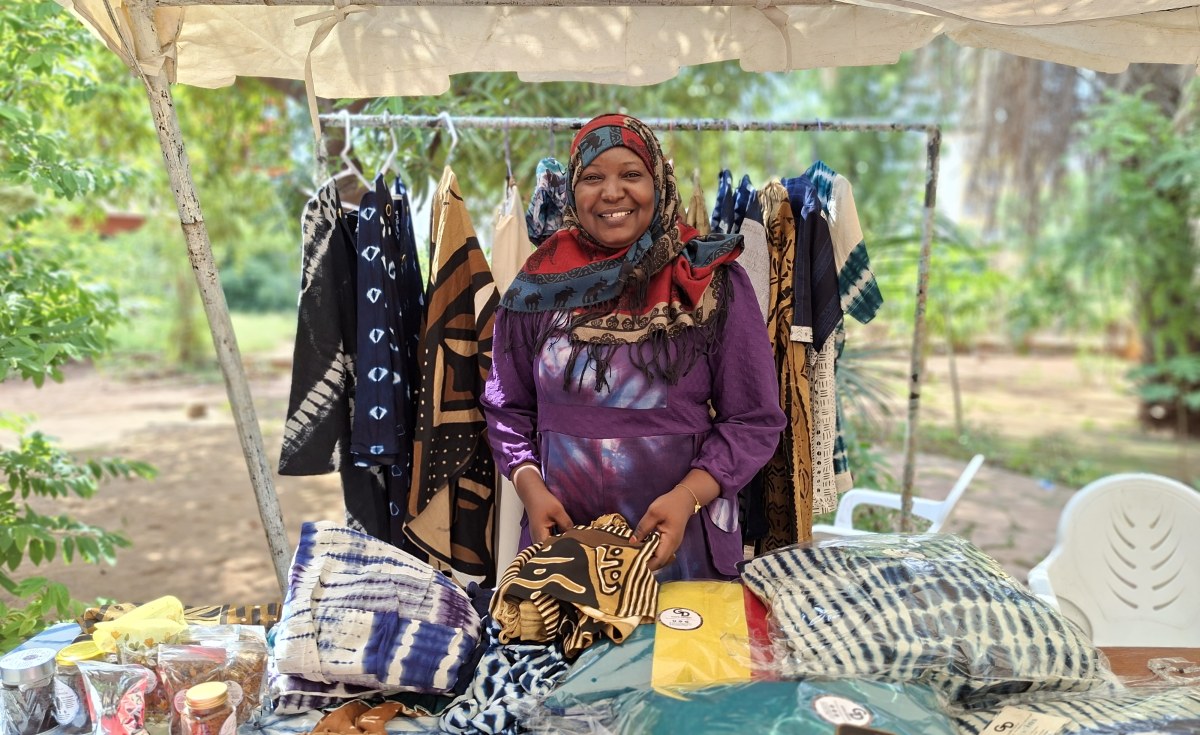

原文原文 / Original TextMali's iconic mud-dyed textile, bogolan, is creating new opportunities beyond its cultural significance. As the centuries-old craft gains protected status, women artisans and entrepreneurs are turning tradition into thriving businesses while preserving indigenous knowledge.
At dawn in Ségou in south-central Mali, Massaran Koné begins preparing cotton cloth for dyeing. Twenty years ago she learned the technique from her mother. Today, the income from bogolan pays her children's school fees and helps support other women she employs.
Hands dip fabric into fermented mud, then patiently trace symbols passed down through generations. In Mali, bogolan is a language that speaks of heritage. Every motif tells a story, conveys knowledge, and carries the memory of the communities that have shaped it over time. Rooted in ancestral traditions, this unique art form is experiencing a remarkable revival. From natural dye workshops in rural villages to international fashion runways, bogolan is inspiring a new generation of artisans and wo
Cotton, the first step of bogolan, is Mali’s second-largest export after gold, generating nearly 70 million USD in 2024 despite falling global prices. Production reached 598,500 tonnes in 2026, with the state-owned Compagnie malienne pour le Développement des textiles (CMDT) aiming for 650,000 tonnes in 2027. Around 40% of rural households depend on cotton cultivation, yet most of it is exported raw, leaving little value captured locally.
Since April 2026, bogolan has been recognised as a Protected Geographical Indication (Indication Géographique Protégée or IGP), giving the centuries-old textile international legal protection and strengthening its economic value.
For decades, women have driven change in bogolan domain. While global fashion brands search for authenticity, women artisans in Mali are ensuring that centuries-old techniques are not lost. Assa Gopé is an entrepreneur and bogolan artisan. “My mother was a natural dye artisan. She created “Gopé Design ” and hired two people as well as multiple seasonal employees in the bogolan industry.
“I believe that developing a strong industry around the sector is essential if artisans are to earn a sustainable living from their work,” said Gopé.
She explains that when large orders need to be fulfilled, women entrepreneurs working in the bogolan industry often join forces: “To handle large-scale orders, we work together and combine our efforts to produce the quantities required.”
本文为英文资讯,中文内容由机器翻译生成,仅供参考。详情请阅读文末原文。
—— 资讯转载说明 ——
本文由非洲论坛根据公开信息整理,供中国读者查阅,不代表本站立场。
来源:AllAfrica (https://allafrica.com/)
原文链接:https://allafrica.com/stories/202607250157.html
转载请遵守原发布方版权与引用规定。 |
|


 发表于 2026-7-20 02:24:16