|
|
#肯尼亚 #东非 #非洲
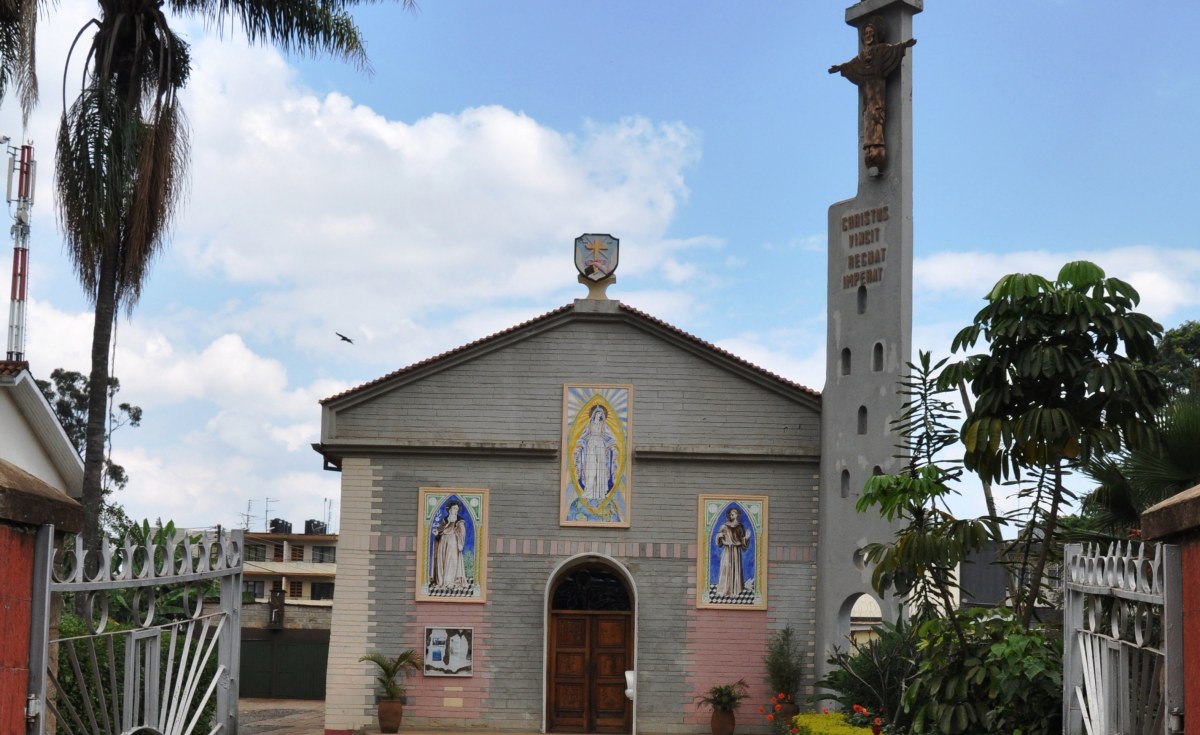
内罗毕消息 —— 鉴于2027年大选即将到来,肯尼亚主要政治领导人近期加大了在各大基督教教派教堂中的露面频率。\n\n尽管各大宗教派别当局已明令禁止在礼拜场所举行集会和政治宣传活动,但本周仍记录到了至少两起此类事件。\n\n6月14日星期日,包括联合反对派联盟(United Opposition)的 Rigathi Gachagua 和 Kalonzo Musyoka 在内的反对派领导人,前往肯尼亚西部 Bungoma County 的 Kibabii 的 St. Mary天主教堂参加弥撒。礼拜结束后,他们向该教区附属学校的学生食堂捐款以示支持。同一天,总统 William Ruto 前往 Kajiado County 的 Kiserian基督复临安息日会教堂参加宗教礼拜,与信众一同祈祷。\n\n同样在6月14日,Linda Mwananchi 运动的领导人访问了位于肯尼亚中部 Kiambu County 的 AIPCA Thika 大教堂。非洲独立五旬节教会(AIPCA)是该国主要的非洲独立教会(AIC)之一,也是肯尼亚最大的本土教会。该教会于20世纪20年代创立于肯尼亚中部的 Kikuyu 人群中,其历史与反对英国殖民政策(包括强迫劳动相关政策)的民族主义运动紧密相连。\n\nLinda Mwananchi 是一个斯瓦希里语短语,意为保护公民或捍卫公民,是一个旨在促进公民赋权、公共问责和良政的公民与政治运动。其目标之一是通过更多关注影响全体肯尼亚人民的社会和经济问题,来克服种族和地区分裂。\n\n然而,该运动代表团在宗教礼拜期间的到来引发了信众的抗议,主礼神职人员甚至对在场的政客进行了严厉斥责。肯尼亚天主教主教团(KCCB)以及其他基督教教派的领导人曾多次重申,禁止将礼拜场所用于政治宣传。2020年,肯尼亚天主教主教曾断言,教堂不是政治角斗场,并禁止政客进行相关活动。\n\n2024年7月,KCCB 再次重申反对将教堂作为谋求政治共识的平台,并特别批评了在宗教礼拜期间公开展示捐款或财务资助以提高声望或争取选举支持的做法。2025年3月,Nakuru 主教 Cleophas Oseso 曾批评政客对教会的捐款,因为我们不知道这些巨额资金从何而来。
中文导读
Nairobi (内罗毕) — 鉴于2027年大选,Kenya (肯尼亚) 的主要政治领导人加强了在各基督教教派教堂的现身。
尽管主要宗教教派当局颁布了禁止在宗教场所举行集会和政治宣传活动的禁令,本周仍至少记录了两起此类事件。
6月14日星期日,来自United Opposition(联合反对派)联盟的反对派领导人,包括Rigathi Gachagua(里加蒂·加查瓜)和Kalonzo Musyoka(卡隆佐·穆西奥卡),出席了在肯尼亚西部Bungoma County(邦戈马郡)Kibabii(基巴比)的St. Mary's Catholic Church(圣玛丽天主教堂)举行的弥撒。礼拜结束后,他们为该教区附属学校的学生食堂服务进行了捐赠。
同一天,总统William Ruto(威廉·鲁托)出席了在Kajiado County(卡贾多郡)的Kiserian Seventh-day Adventist Church(基塞里安基督复临安息日会教堂)举行的一场宗教礼拜,与信徒一同敬拜。
同样在6月14日,Linda Mwananchi运动(琳达·姆瓦南奇运动)的领导人访问了位于肯尼亚中部(Central Kenya)基安布郡(Kiambu County)的AIPCA 锡卡大教堂(AIPCA
跟上WhatsApp上的最新头条| LinkedIn
“琳达·姆瓦南奇”(Linda Mwananchi)——一个斯瓦希里语(Swahili)表达,意为“保护公民”或“捍卫公民”——是一个旨在促进公民赋权、公共问责和善治的公民政治运动。其目标之一是通过更加关注影响全体肯尼亚(Kenya)民众的社会和经济问题,来克服族裔和地区分歧。
然而,该运动代表团在宗教仪式期间的到来,引发了信徒们的抗议,甚至到了主持人严厉斥责在场政客的地步。肯尼亚天主教主教会议 (KCCB) 和其他基督教教派的领袖都多次重申,禁止将礼拜场所用于政治宣传。2020年,肯尼亚天主教主教们申明,教堂“不是政治舞台”,并禁止政客在礼仪集会上发表讲话,谴责宗教庆典日益演变为竞选活动。
2024年7月,KCCB(肯尼亚天主教主教会议)重申反对将教堂用作政治共识平台,并特别批评在宗教仪式期间公开展示捐款或财政捐助以提高人气或争取选举支持的做法。2025年3月,Nakuru(纳库鲁)主教Cleophas Oseso(克莱奥法斯·奥塞索)批评政客向教会捐款,称“我们不知道这些巨额资金的来源”(参见Fides(信仰通讯社),2025年3月7日)。
原文原文 / Original TextNairobi — In view of the 2027 general elections, Kenya's main political leaders have intensified their presence in churches of various Christian denominations.
Despite bans imposed by the authorities of the main religious denominations against holding rallies and political propaganda activities in places of worship, at least two such incidents were recorded this week.
On Sunday, June 14, opposition leaders, including Rigathi Gachagua and Kalonzo Musyoka of the United Opposition coalition, attended Mass at St. Mary's Catholic Church in Kibabii, Bungoma County, western Kenya. At the end of the service, they made a donation to support the canteen service for students at the parish-affiliated school. That same day, President William Ruto attended a religious service at the Kiserian Seventh-day Adventist Church in Kajiado County, joining the faithful in worship.
Also on June 14, leaders of the Linda Mwananchi movement visited the AIPCA Thika Cathedral in Kiambu County, Central Kenya. The African Independent Pentecostal Church of Africa (AIPCA) is one of the country's leading African Independent Churches (AIC) and the largest indigenous church in Kenya. Founded in the 1920s among the Kikuyu people of central Kenya, its history is closely linked to the nationalist movements that opposed British colonial policies, including those related to forced labor.
Keep up with the latest headlines on WhatsApp | LinkedIn
Linda Mwananchi--a Swahili expression meaning "Protect the Citizen" or "Defend the Citizen"--is a civic and political movement that promotes citizen empowerment, public accountability, and good governance. Among its objectives is overcoming ethnic and regional divisions by giving greater attention to the social and economic issues that affect the entire Kenyan population.
The arrival of the movement's delegation during the religious service, however, provoked protests among the faithful, to the point that the celebrant issued a harsh rebuke to the politicians present. Both the Kenya Conference of Catholic Bishops (KCCB) and leaders of other Christian denominations have repeatedly reiterated the ban on using places of worship for political propaganda. In 2020, Kenyan Catholic bishops affirmed that churches "are not political arenas" and prohibited politicians from
In July 2024, the KCCB reiterated its opposition to the use of churches as platforms for political consensus, criticizing in particular the practice of publicly displaying donations or financial contributions during religious services in order to increase popularity or gain electoral support. In March 2025, the Bishop of Nakuru, Cleophas Oseso, criticized politicians' donations to the Church because "we do not know where these enormous sums of money come from" (see Fides, 7/3/2025).
本文为英文资讯,中文内容由机器翻译生成,仅供参考。详情请阅读文末原文。
—— 资讯转载说明 ——
本文由非洲论坛根据公开信息整理,供中国读者查阅,不代表本站立场。
来源:AllAfrica (https://allafrica.com/)
原文链接:https://allafrica.com/stories/202606190402.html
转载请遵守原发布方版权与引用规定。 |
|


 发表于 2026-6-13 01:06:45