|
|
#尼日利亚
When pulpits become fault lines
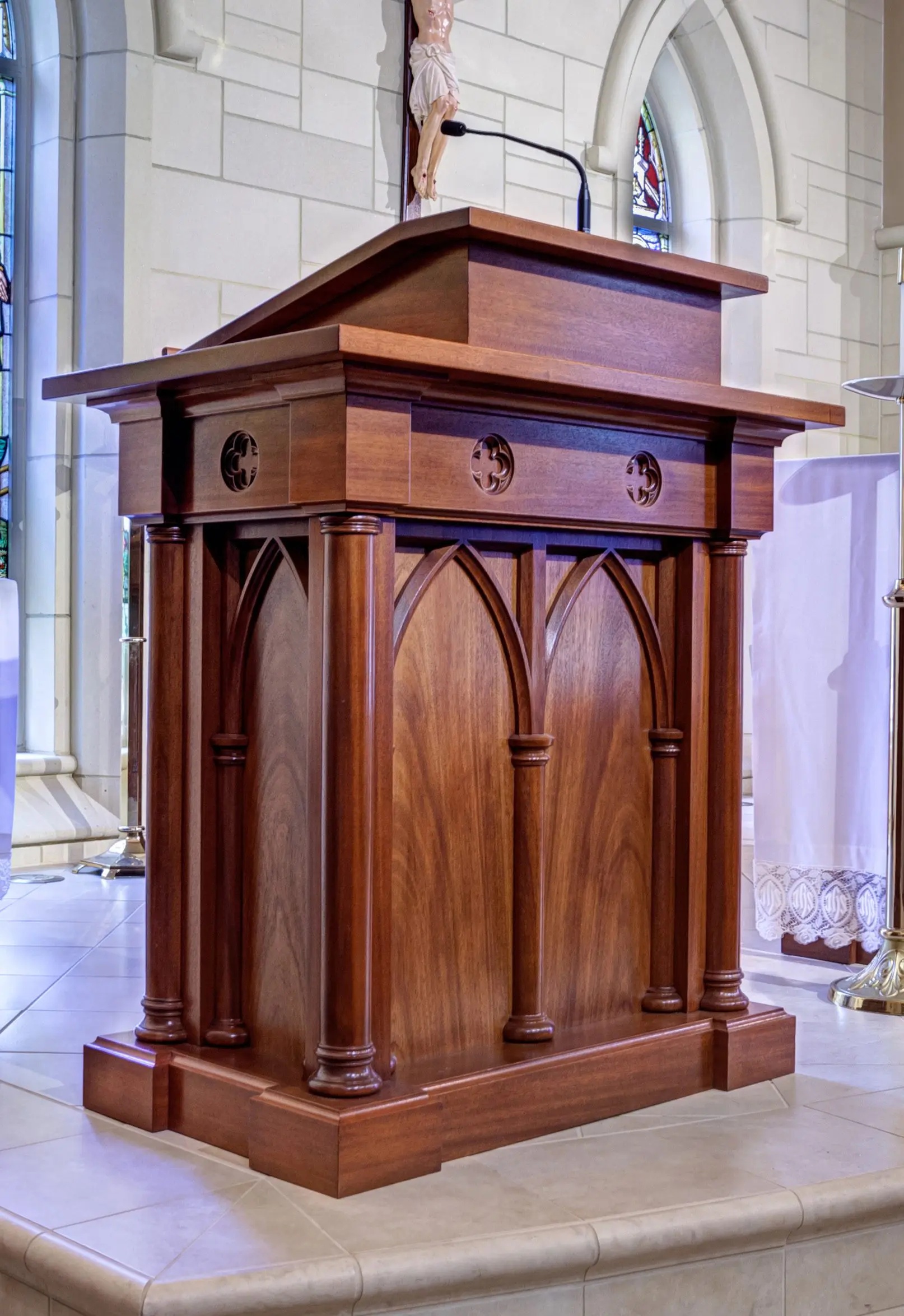





原文原文 / Original TextAs the tempo of political activities and campaigns picks up, religious activities are also becoming increasingly prominent, with sermons and public pronouncements by clerics having a noticeable impact on the mood and disposition of Nigerians. This development is particularly worrisome in a country as religiously diverse and socially fragile as Nigeria.
Belonging to, and practising, a religious faith as a means of communing with the Creator is an inalienable right of every individual and is constitutionally guaranteed. Section 38(1) of the 1999 Constitution, as amended, provides that every person has the right to freedom of thought, conscience and religion, including the freedom to manifest and propagate his or her belief in worship, teaching, practice and observance, either alone or with others, in public or in private.
Religious observance is, indeed, one of the defining features of Nigerian society. The country is home to millions of Muslims and Christians, alongside adherents of other faiths, and these communities have for generations lived side by side, sharing neighbourhoods, markets, workplaces, schools and even family ties.
It is precisely because religion occupies such a powerful place in our national life that its exercise demands responsibility, restraint and sensitivity. Religious freedom cannot mean freedom to recklessly injure the sensibilities of others, incite hostility or undermine public order. The Constitution itself recognises the need to strike a delicate balance between freedom of worship and the rights, safety and wellbeing of other citizens.
It is this delicate balance that appears increasingly threatened by inflammatory preaching and reckless religious pronouncements from some clerics across the major faiths and denominations. The problem is not simply disagreement between Muslims and Christians. Increasingly, poisonous rhetoric is also being directed at adherents of different sects and denominations within the same faith.
Of particular concern is the emergence of preachers who appear to mistake provocation for courage and confrontation for religious conviction. Some speak from a position of grievance or perceived weakness, portraying their followers as victims and others as enemies. Others deliberately venture into highly sensitive theological and sectarian matters, seemingly aware that controversy attracts attention, followers and publicity.
Such conduct is dangerous. In a country with a history of religious and communal violence, words spoken from a pulpit can travel far beyond the place where they were uttered. A reckless sermon can ignite anger, deepen suspicion and, in extreme circumstances, trigger violence that destroys lives and property. The responsibility of a cleric is therefore far greater than that of an ordinary citizen because his/her words carry the weight of religious authority and can command the emotions of thousan
We have recently witnessed disparaging references to Prophet Muhammad (PBUH) by a prominent Islamic cleric in Sokoto, which reportedly provoked an assault on him by a worshipper. Elsewhere, violent incidents have occurred among adherents of different sects following provocative preaching over divergent interpretations and modes of worship.
本文为英文资讯,中文内容由机器翻译生成,仅供参考。详情请阅读文末原文。
—— 资讯转载说明 ——
本文由非洲论坛根据公开信息整理,供中国读者查阅,不代表本站立场。
来源:Daily Trust Nigeria (https://dailytrust.com/)
原文链接:https://dailytrust.com/when-pulpits-become-fault-lines/
转载请遵守原发布方版权与引用规定。 |
|


 发表于 2026-9-23 06:34:55