|
|
#南非 #非洲
中文导读
在WhatsApp | LinkedIn上关注我们,获取最新头条新闻
莱福托(Lephoto)正在进行的名为“WL 发现”(WL FOUND)的研究项目,旨在识别并重新诠释与南非(South Africa)1850年至1994年间历史相关的物品、图像和创意作品。这项研究已将该品牌带入博物馆、家庭藏品、流行文化以及约翰内斯堡(Johannesburg)的街头巷尾。
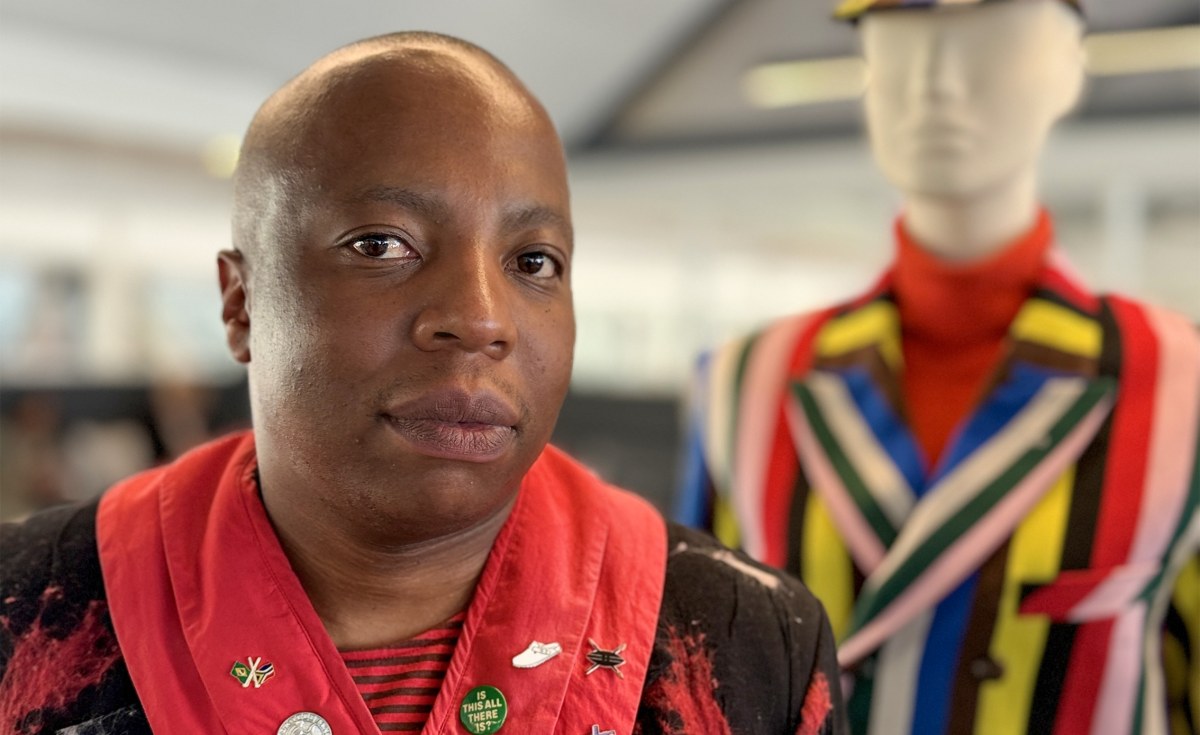
原文原文 / Original TextSouth African designer Wanda Lephoto argues that Africa’s competitive advantage in fashion is not only its fibre or factories, but the cultural knowledge, inherited craft and human collaboration that turn cloth into something the world cannot reproduce.
The fashion industry usually presents value as something added in stages: fibre becomes yarn, yarn becomes cloth and cloth becomes clothing. But for South African designer Wanda Lephoto, one of the most valuable inputs enters the process before a garment is cut.
It can begin with a family photograph, a street poster, a church garment or an old wooden headrest shaped by generations of use. These everyday objects carry histories that can be translated into contemporary fashion. And this gives African designers something that cannot easily be copied or manufactured elsewhere.
Follow us on WhatsApp | LinkedIn for the latest headlines
“My work has always existed at the intersection of design, research, memory and spirituality,” Lephoto said during a keynote on making African fashion at the 2026 Africa Textile Talks organised by Twyg. “I see design as more than the creation of clothing. It is a way of asking questions, of returning to histories and examining the cultural codes that shape how we understand ourselves and one another.”
UNESCO’s The African Fashion Sector: Trends, Challenges and Opportunities for Growth reaches a similar conclusion: “Thanks to their unique heritage, unreplicable technical skills, and distinctive creative vision, contemporary African fashion designers connect the dots between the past and present, tapping into their cultural roots to create clothes and accessories that help to shape unique and ever-renewed visual narratives about the identity and aspirations of the continent.”
Lephoto’s argument adds another dimension to Africa’s drive to capture more value from the materials it produces. Building farms, ginneries, spinning mills, textile plants and garment factories is essential. But the journey from cotton to cloth does not end when fabric leaves a loom.
“The importance of local textiles is that they show there are people behind these clothes; there are hands behind these clothes,” Lephoto told bird story agency in an interview. “Textiles represent human hands, and human hands represent human lives. Those lives represent histories that are really important to African design — to how we reflect the future, how the world sees us and, more importantly, how we see ourselves.”
本文为英文资讯,中文内容由机器翻译生成,仅供参考。详情请阅读文末原文。
—— 资讯转载说明 ——
本文由非洲论坛根据公开信息整理,供中国读者查阅,不代表本站立场。
来源:AllAfrica (https://allafrica.com/)
原文链接:https://allafrica.com/stories/202609250001.html
转载请遵守原发布方版权与引用规定。 |
|


 发表于 2026-9-13 05:51:46