|
|
#非洲
The Trump-Xi summit exposes a US disadvantage in the Global South
原文原文 / Original Textplay Live Sign upShow navigation menuNavigation menuNewsShow more news sectionsAfricaAsiaUS & CanadaLatin AmericaEuropeAsia PacificMiddle EastExplainedSportOpinionVideoMoreShow more sectionsOriginalsFeaturesEconomyHuman RightsClimate CrisisInvestigationsInteractivesIn PicturesScience & TechnologyPodcastsTravelSponsored Contentplay Live Click here to searchsearchSign upOPINIONOPINION, OpinionThe Trump-Xi summit exposes a US disadvantage in the Global SouthWashington asks for alignment while Beiji
Founding director of the China Institute and Mactaggart Research Chair Emeritus at the University of Alberta.
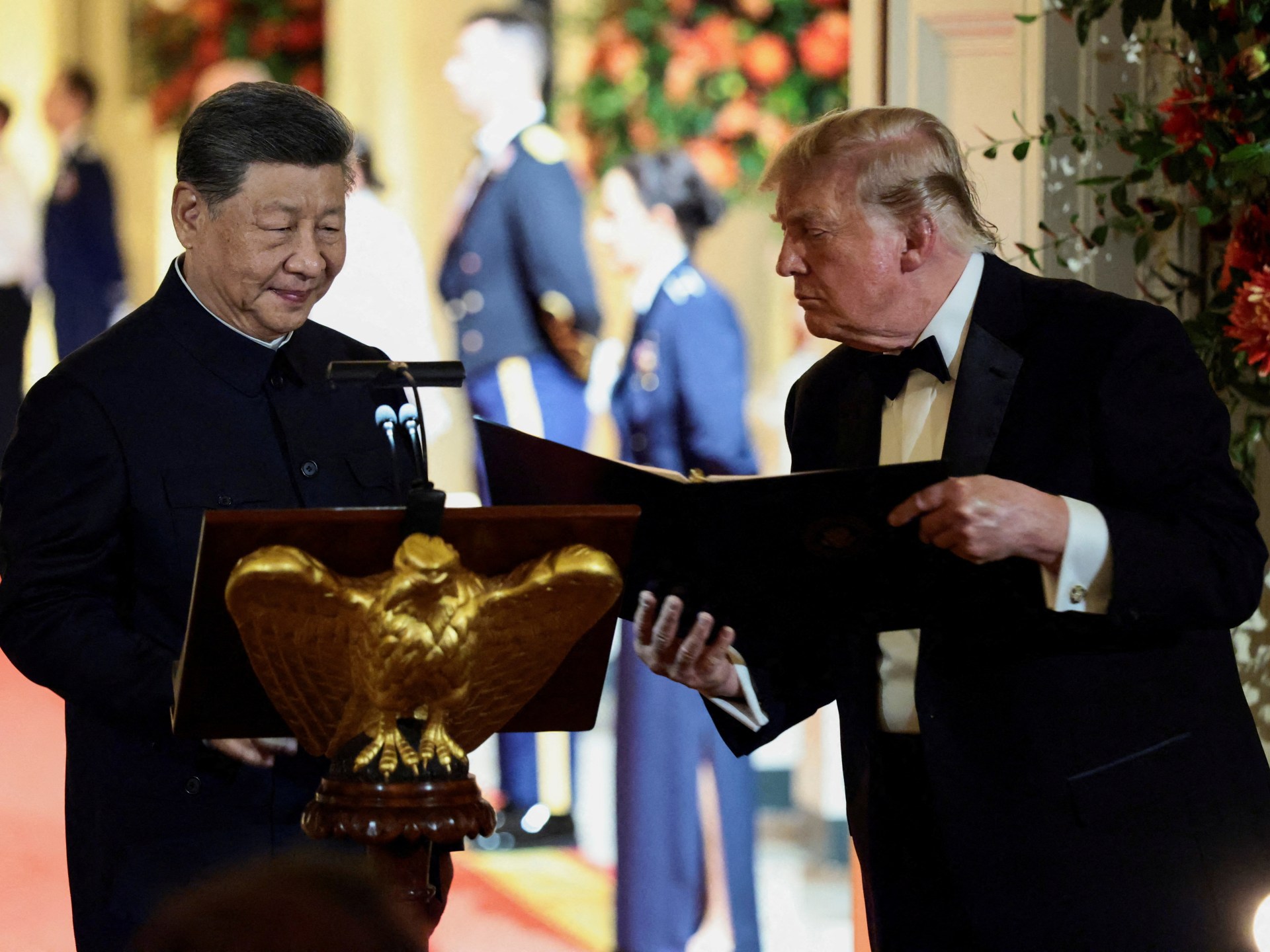
xwhatsapp-strokecopylinkgoogleAdd Al Jazeera on GoogleinfoUS President Donald Trump stands with Chinese President Xi Jinping before Xi delivers a speech during a state dinner at the White House in Washington, DC, US, on September 24, 2026 [Evelyn Hockstein/Reuters]Chinese President Xi Jinping’s state visit to the United States came with all the choreography: a B-2 flyover, pandas, a Nixon-era toast. But for anyone watching from the Global South, the spectacle was beside the point. More important
Beijing emerged from the summit offering diplomatic cover without military entanglement. Washington, by contrast, came to the meeting already embroiled in the nearly seven-month US-Israeli war on Iran, pressing allies on trade, reasserting US dominance in Latin America, and demanding that the Global South choose sides in its effort to contain China, all while Trump himself toasted Xi and hailed the summit as a success. For governments across the Global South being urged to distance themselves fr
Nowhere is this clearer than in the Gulf. Trump wants China, Tehran’s largest trading partner, to help reopen the Strait of Hormuz, choked since the US-Israeli war on Iran began in February. Xi backed a return to a ceasefire and eventual peace talks, but the Chinese readout offered no specifics on reopening the strait and no commitment to pressure Iran. Beijing appears determined to preserve its room for manoeuvre.
For Riyadh, Abu Dhabi and Doha, that has obvious advantages. China can call Tehran, issue a UN statement, or offer to mediate, all without deploying a single soldier or demanding a military base. Meanwhile, Washington is a direct party to the war, and its credibility as a security guarantor is eroded by the very crisis it helped create. Gulf capitals are already calibrating: stay under the US umbrella for hardware, but hedge through Beijing for diplomatic crisis management and energy-market stab
That calculation extends across the wider region. For Iraq, Egypt and Algeria, all watching energy prices spike and shipping lanes choke, China’s restraint has its appeal. The Global South does not need another great power to join the war; it needs someone who can talk to all sides without shooting. Beijing is positioning itself to play that role.
For governments elsewhere across the Global South, this creates a difficult set of choices. They are pressed to distance themselves from China, even as Trump himself re-engages. They are asked to absorb tariffs and supply-chain shocks, while Washington and Beijing extend their own trade truce for another two months. The result is a growing sense that other countries are expected to bear the costs of great-power rivalry while Washington and Beijing retain the freedom to negotiate with each other.
本文为英文资讯,中文内容由机器翻译生成,仅供参考。详情请阅读文末原文。
—— 资讯转载说明 ——
本文由非洲论坛根据公开信息整理,供中国读者查阅,不代表本站立场。
来源:Al Jazeera Africa (https://www.aljazeera.com/africa/)
原文链接:https://www.aljazeera.com/opinions/2026/9/25/the-trump-xi-summit-exposes-a-us-disadvantage-in-the-global-south?traffic_source=rss
转载请遵守原发布方版权与引用规定。 |
|


 发表于 2026-9-23 23:30:22