|
|
#乌干达 #东非 #非洲
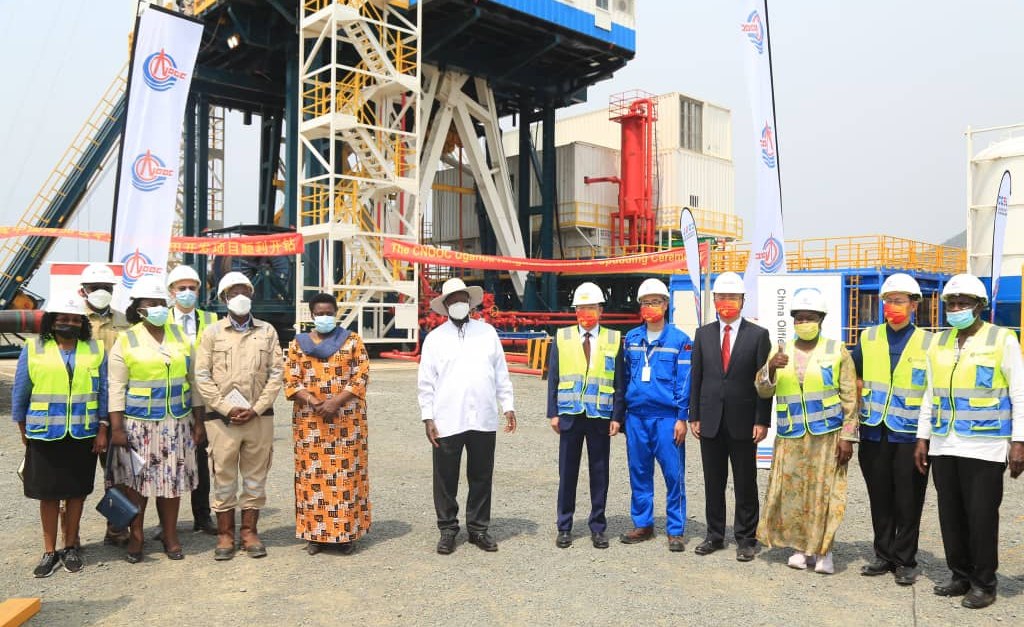
坎帕拉 —— 在宣布发现石油20周年之际,珍珠甜(Pearl Sweet)标志着乌干达原油从政治承诺转向商业考验的时刻\n\n经过近20年的等待,乌干达终于给其石油起了一个名字。总统约韦里·卡古塔·穆塞韦尼(Yoweri Kaguta Museveni)于2026年9月2日在视察基库贝区(Kikuube District)金鱼草油田开发区(Kingfisher Oil Development Area)时,正式揭晓了珍珠甜(Pearl Sweet)这一名称。\n\n这个名字是在乌干达宣布在艾伯特地堑(Albertine Graben)发现具商业开采价值的石油近二十年后诞生的,标志着该国向期待已久的产油国行列迈出了又一步。\n\n但这个名字的意义超越了揭晓它的仪式。对乌干达而言,这是一个转折点,标志着原油开始从国家承诺、基础设施项目和政治辩论的主题,转变为一种更加残酷的商品:必须寻找买家、与其他油种竞争并实现价值。\n\n就在此次宣布前几周,乌干达即将迎来2006年10月8日以来的二十周年纪念日。当时,穆塞韦尼在一次全国感恩祈祷集会上宣布,在乌干达西部发现了具商业价值的石油。这一宣布本应为2009年实现投产打开大门。\n\n然而,在接下来的二十年里,乌干达一直在进行合同谈判、机构建设、油田开发、土地征用、探讨国内炼油厂的可行性、规划出口路线,以及建设将原油从艾伯特腹地输送至印度洋所需的frastructure基础设施。\n\n如今,随着第一批石油的临近,这个国家的问题已经改变。不再仅仅是:乌干达有石油吗?而是:乌干达能从拥有的石油中获得什么?或许更重要的是,它能否在油桶见底之前,将有限的资源转化为持久的经济价值?
中文导读
坎帕拉消息——在发现公布20周年之际,'Pearl Sweet'(珍珠甜油)标志着乌干达原油从政治承诺迈向商业考验的转变。
在WhatsApp | LinkedIn上关注我们,获取最新头条新闻
乌干达(Uganda)反而耗费了接下来的二十年时间,用于谈判合同、建立机构、开发油田、征用土地、讨论国内炼油厂的可行性、规划出口路线,并建设将原油从艾伯丁腹地(Albertine hinterland)运往印度洋(Indian Ocean)所需的基础设施。
如今,随着首批石油即将投产,乌干达 (Uganda) 面临的问题已经转变。不再仅仅是问:乌干达 (Uganda) 是否拥有石油?而是:乌干达 (Uganda) 能从其拥有的石油中获得什么?也许更重要的是,它能否在石油耗尽之前,将有限的资源转化为持久的经济价值?
“Pearl Sweet”(珍珠甜)这个名字并非仅仅作为品牌推广活动而选择。乌干达国家石油公司(Uganda National Oil Company, UNOC)表示,由道达尔能源(TotalEnergies)运营的蒂伦加开发区(Tilenga Development Area)以及
“多年来,乌干达 (Uganda) 的石油一直是一种愿景;它被发现、研究、讨论并为之制定计划,”穆塞内罗 (Musenero) 博士说。“如今,这种资源正在转化为生产性资产、基础设施、技能、商业,并且很快将实现商业化生产。” 穆塞内罗 (Musenero) 博士的这番话,或许比命名仪式本身更能捕捉到其更广泛的意义。
下一阶段将迎来一批新的参与者。炼油商将关注原油的特性。贸易商将关注供应、需求和价格。航运公司将关注可靠的货源。金融机构将关注商业风险。此外,Uganda (乌干达) 将必须证明其能够提供稳定的产量和质量。该国的原油将拥有一个名称。市场将决定这个名称的价值。
一个既具有全国性又刻意保持中立的名称。
原文原文 / Original TextKampala — 20 years after the discovery announcement, 'Pearl Sweet' marks the moment Uganda's crude moves from political promise to commercial test
After almost 20 years of waiting, Uganda has finally given its oil a name. President Yoweri Kaguta Museveni unveiled the name "Pearl Sweet" on Sept.2, 2026, during a visit to the Kingfisher Oil Development Area in Kikuube District.
The name comes nearly two decades after Uganda announced the discovery of commercially viable oil in the Albertine Graben, marking another step towards the country's long-awaited entry into the ranks of oil-producing nations.
Follow us on WhatsApp | LinkedIn for the latest headlines
But the significance of the name goes beyond the ceremony where it was unveiled. For Uganda, this is the moment when crude oil begins to move from being a national promise, an infrastructure project and a subject of political debate into something much more unforgiving: a commodity that has to find buyers, compete with other grades and deliver value.
The announcement came just weeks short of two decades since Oct. 8, 2006, when Museveni told a national thanksgiving and prayer gathering that commercially viable petroleum had been discovered in western Uganda. That announcement was supposed to open the door to production by 2009.
Instead, Uganda spent the next two decades negotiating contracts, building institutions, developing oilfields, acquiring land, debating the viability of an in-country refinery, planning an export route and constructing the infrastructure needed to move crude from the Albertine hinterland to the Indian Ocean.
Now, with the first oil approaching, the country's question has changed. It is no longer simply: Does Uganda have oil? It is: What can Uganda get from the oil it has? And perhaps even more importantly; can it turn a finite resource into lasting economic value before the barrels run out?
本文为英文资讯,中文内容由机器翻译生成,仅供参考。详情请阅读文末原文。
—— 资讯转载说明 ——
本文由非洲论坛根据公开信息整理,供中国读者查阅,不代表本站立场。
来源:AllAfrica (https://allafrica.com/)
原文链接:https://allafrica.com/stories/202609070514.html
转载请遵守原发布方版权与引用规定。 |
|


 发表于 2026-8-29 04:18:19